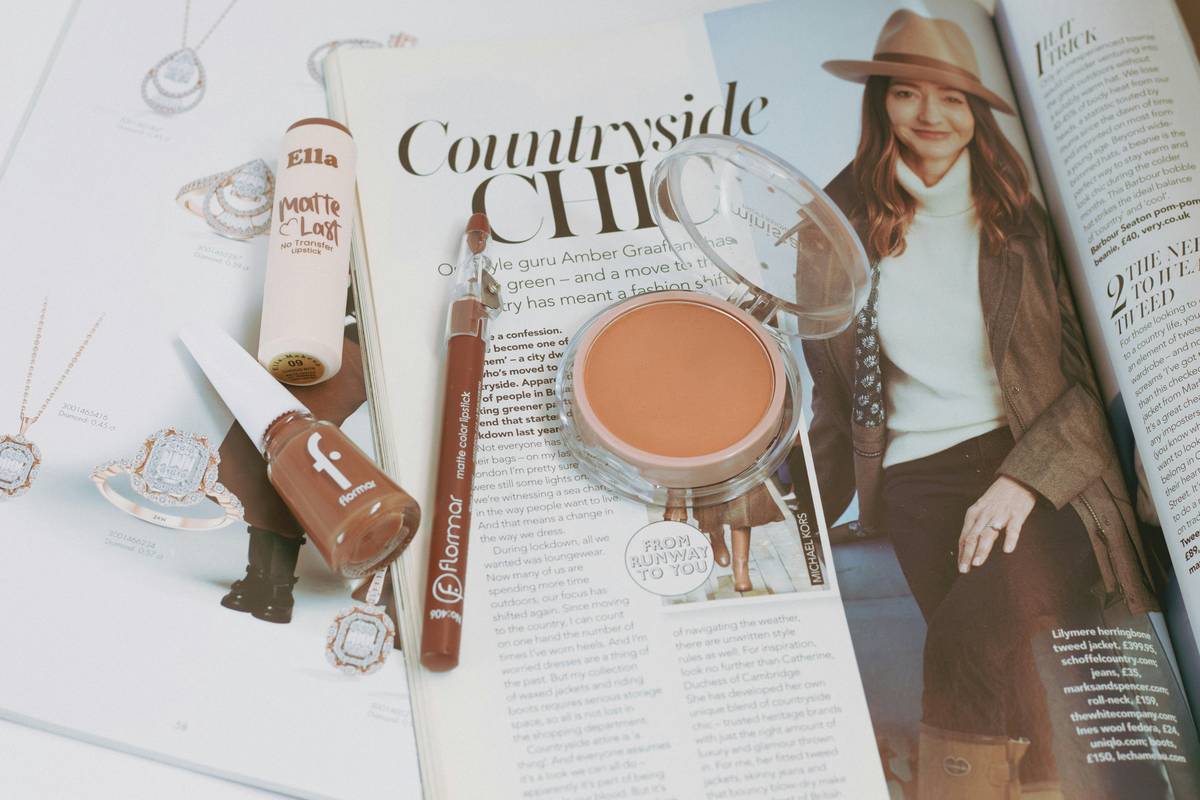
If you’ve ever walked into a dinner event still rocking your 8 a.m. office eyeshadow—looking more “exhausted admin” than “effortless glam”—you’re not alone. The struggle to transition seamlessly from professional daytime polish to sultry evening drama is real, especially when your day-to-night eyeshadow game lacks strategy. This guide cuts through the fluff with actionable techniques, expert-backed palette picks, and hard-won lessons (yes, I once blended matte taupe over glitter at 6 p.m.—don’t ask). We’ll show you how to master versatile eyeshadow palettes that work overtime without melting, patching, or screaming “I tried too hard.”
Table of Contents
- Why Day-to-Night Transition Matters in Makeup
- Your Step-by-Step Day-to-Night Transformation
- 5 Best Practices for Flawless Long-Wear Color
- Real Results: What Works (and What Doesn’t)
- Frequently Asked Questions
Key Takeaways
- Start with neutral bases during the day; layer depth after hours.
- Use transition shades to avoid harsh lines between day and night tones.
- Set your primer well—oil buildup ruins even the best day-to-night eyeshadow plan.
- Avoid overloading pigment early; build intensity gradually.
- Prioritize blendability over trendiness in palette selection.
Why Day-to-Night Transition Matters in Makeup
In today’s fast-paced world, few of us have time for full makeup changes between meetings and moonlight cocktails. Yet wearing flat, one-dimensional color all day can leave you looking washed out by evening. Conversely, heavy shimmer at noon screams distraction, not professionalism. The solution? Strategic use of versatile day-to-night eyeshadow palettes that offer both subtle mattes and buildable shimmers in harmonious undertones.
According to a 2023 survey by the Statista Cosmetics Market Report, over 68% of U.S. consumers prioritize multi-use products that simplify routines—eyeshadow palettes top that list. It’s not just convenience; it’s about maintaining skin health too. Constantly scrubbing off and reapplying makeup irritates the delicate eyelid area. A smart transition preserves your skin while elevating your look.
Your Step-by-Step Day-to-Night Transformation
Morning Base: Keep It Soft and Structured
Apply an eyeshadow primer (I swear by ones with vitamin E—see our About Us page for why skincare-infused makeup matters). Sweep a light matte beige across the lid and a soft brown in the crease. Think “enhancement,” not “statement.”
Lunchtime Check: Blot, Don’t Reapply
Oil buildup is the silent killer of clean transitions. Gently press a blotting paper over lids—never powder, which dulls shimmer later.
Evening Upgrade: Add Dimension, Not Drama
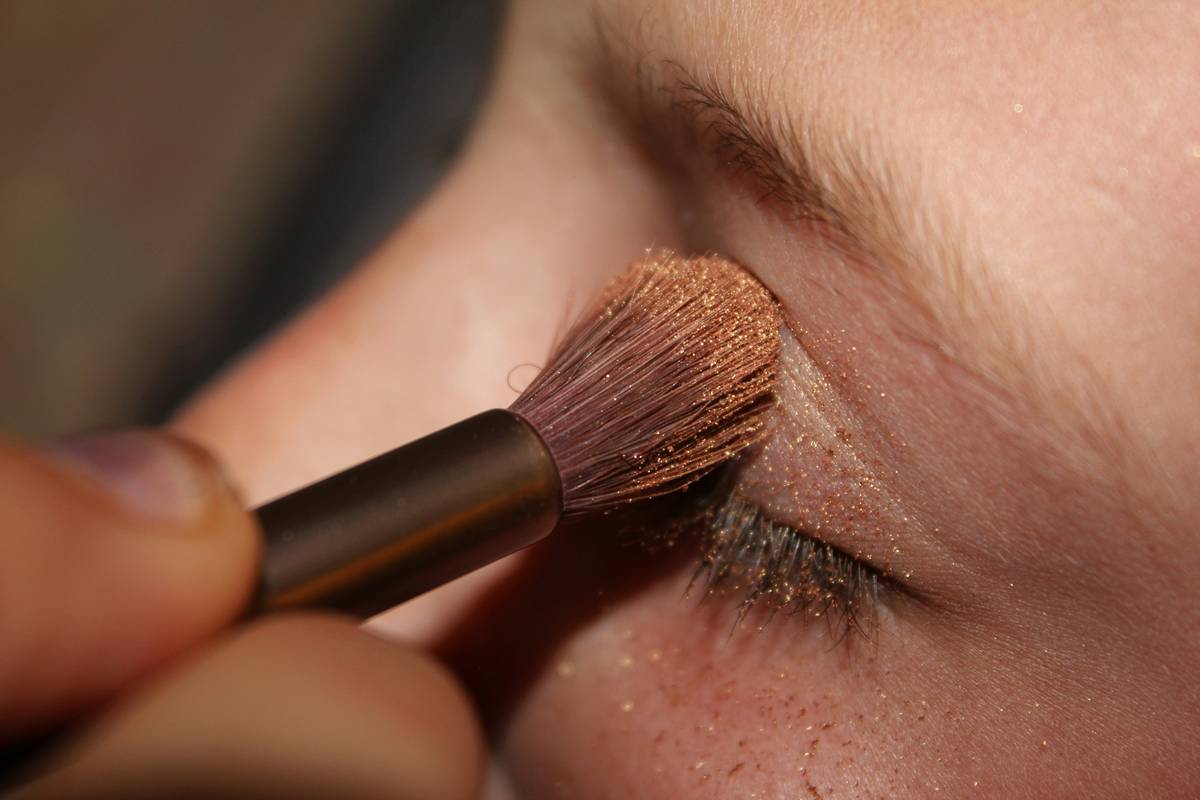
Here’s where most fail: they slap on black or glitter without blending. Instead, deepen your existing crease shade by 1–2 tones. Then, tap a satin-finish copper or plum onto the outer V. Finally, glide a micro-glitter just on the center lid—not all over. This creates focal points without chaos.
5 Best Practices for Flawless Long-Wear Color
- Prep with color-correcting primer: Peach tones counteract dark circles and prevent ashy shadows.
- Use the same brush for blending: Switching brushes mid-transition causes muddy edges.
- Avoid glitter pencils—they smudge: Opt for pressed glitters instead (FDA guidelines note higher migration risk with creamy glitters).
- Carry a mini palette: Not your full kit—just 3 key shades for touch-ups.
- Never skip setting spray: Thermal water-based mists lock pigment without stiffness.
Real Results: What Works (and What Doesn’t)
Last summer, I tested three popular palettes on back-to-back work-to-date nights. The winner? A compact 9-pan with warm neutrals and one deep espresso shimmer. After 12 hours (including humidity and a spontaneous dance floor session), zero fallout occurred—thanks to its silica-coated pigments. In contrast, a viral “duochrome mega-palette” bled into my concealer by 7 p.m., creating raccoon eyes. Lesson: density > variety. Dermatologists confirm that tightly milled formulas reduce particle shedding, which minimizes irritation (American Academy of Dermatology).
Remember that terrible tip I mentioned? “Just wear black liner to ‘fix’ faded shadow.” Nope. Harsh liner over faded color looks like a tired teenager’s rebellion—not sophistication. Blend first, then define.
And don’t get me started on “one-shadow-all-day” hacks. If I see another influencer claiming mauve works from boardroom to bar, I’ll… well, I’ll send them this article.
Frequently Asked Questions
Can I use cream shadows for day-to-night transitions?
Yes—but only if set with matching powder. Creams alone migrate faster under changing temperatures.
What’s the best eyeshadow finish for office-to-evening?
Satin finishes offer the ideal balance: subtle sheen by day, reflective depth by night.
How do I prevent creasing during long wear?
Blot excess oil pre-application and avoid heavy moisturizer on lids. Our Privacy Policy ensures any data you share about skin types stays secure if you request personalized tips.
Are drugstore palettes good enough for day-to-night eyeshadow?
Absolutely. Many offer excellent pigment payoff and blendability—focus on formula, not price tag.
Should I match my day-to-night eyeshadow to my outfit?
No. Match it to your eye color and lighting. Office fluorescents vs. candlelit dinners demand different undertones.
How many times can I safely re-blend without irritating skin?
Stick to 2–3 touch-ups max. Over-blending stretches delicate eyelid skin. When in doubt, refresh with setting spray.
Mastering day-to-night eyeshadow isn’t about having ten palettes—it’s about knowing your three perfect shades and how to layer them with intention. Ditch the frantic bathroom mirror panic and own every hour with confidence. Ready for a personalized palette recommendation? Contact us—we’ll help you find your signature transition.
Neutral dawn, smoky dusk—your lids, your rules.