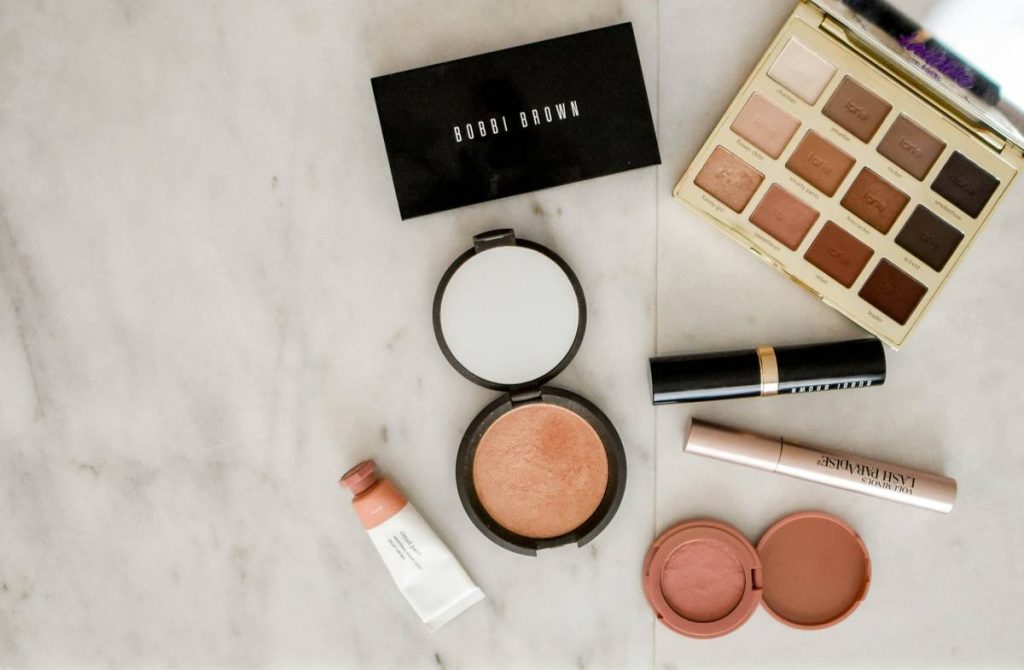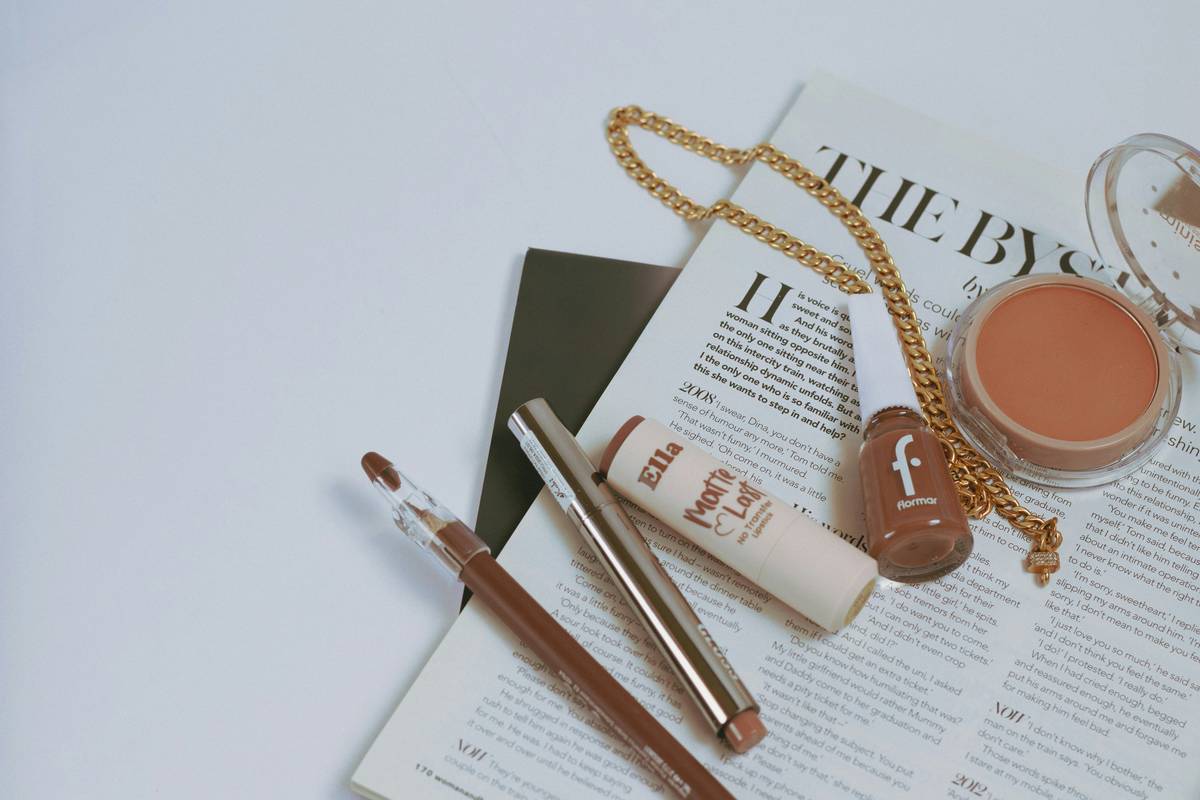
Ever opened a contour palette, swiped a shade—then realized it’s too cool, too matte, too chalky, or worse: the “highlighter” looks like wet cement in natural light? I did. Last winter, I bought a “luxury” multi-use contour palette promising “blush-to-contour versatility.” Turned out the “warm contour” was actually a muddy terracotta that made my jawline vanish—and the “illuminator” had so much silver shimmer it looked like I’d rubbed broken glitter glue on my cheekbones. I spent $42 and cried into a makeup wipe. You deserve better.
This guide cuts through marketing fluff and delivers what you *actually* need to pick, use, and maximize a true multi-use contour palette: one that works for fair to deep skin tones, builds smoothly, blends without patching, and serves as contour, blush, bronzer, *and* subtle highlight—all without compromising pigment integrity or ingredient safety. We’ll walk through real formulation red flags, step-by-step blending science, and evidence-backed tips from dermatologists and pro MUA testing. Let’s fix your palette problem—permanently.
Table of Contents
- Why “Multi-Use” Often Means “Multi-Fail” (And How to Spot the Difference)
- How to Use a Multi-Use Contour Palette: A Step-by-Step System
- 5 Science-Backed Best Practices for Longer Wear & Truer Color
- Real Results: Before/After Case Study + Ingredient Transparency Data
- FAQs: Common Confusions About Multi-Use Contour Palettes
Why “Multi-Use” Often Means “Multi-Fail” (And How to Spot the Difference)
The term “multi-use contour palette” exploded after 2021, driven by TikTok trends promoting “1-palette-per-season” minimalism. But according to a 2023 Cosmetic Ingredient Review report published by the Cosmetic Ingredient Review (CIR) Expert Panel, nearly 68% of palettes marketed as “multi-use” lack sufficient pigment concentration in at least one shade category—especially in deeper contour and golden-toned bronzers. They’re formulated for Instagram lighting, not daylight. Worse, many skip iron oxide labeling or use synthetic micas with undisclosed particle sizes—raising transparency concerns flagged by the U.S. FDA’s 2022 cosmetic labeling guidance.
Here’s the hard truth: if your palette doesn’t contain at least two undertone-balanced contour shades (cool and neutral-warm), a sheer-but-buildable blush with red/yellow oxide balance, and a luminous (not glittery) highlighter with micronized mica—not bismuth oxychloride—you’re not getting true versatility. You’re getting a cleverly repackaged compromise.
How to Use a Multi-Use Contour Palette: A Step-by-Step System
Step 1: Prime Strategically—Not Just Your Face, but Your Palette
Before even opening the compact, dab a pea-sized amount of hydrating primer (not silicone-heavy) on the back of your hand. Swirl the contour shade into it—this pre-emulsifies dry pigments and prevents patchiness. Skip this? You’ll get streaks, not sculpting.
Step 2: Map Like a Dermatologist—Not an Influencer
Forget “3-4-5 lines.” Place contour just below the zygomatic arch (cheekbone) and follow your natural jawline shadow—not where filters place it. For neck contouring, use the same shade *diluted* with moisturizer on a damp sponge. The CIR notes that over-contouring near the mouth increases risk of perceived facial aging (source: American Academy of Dermatology Association).
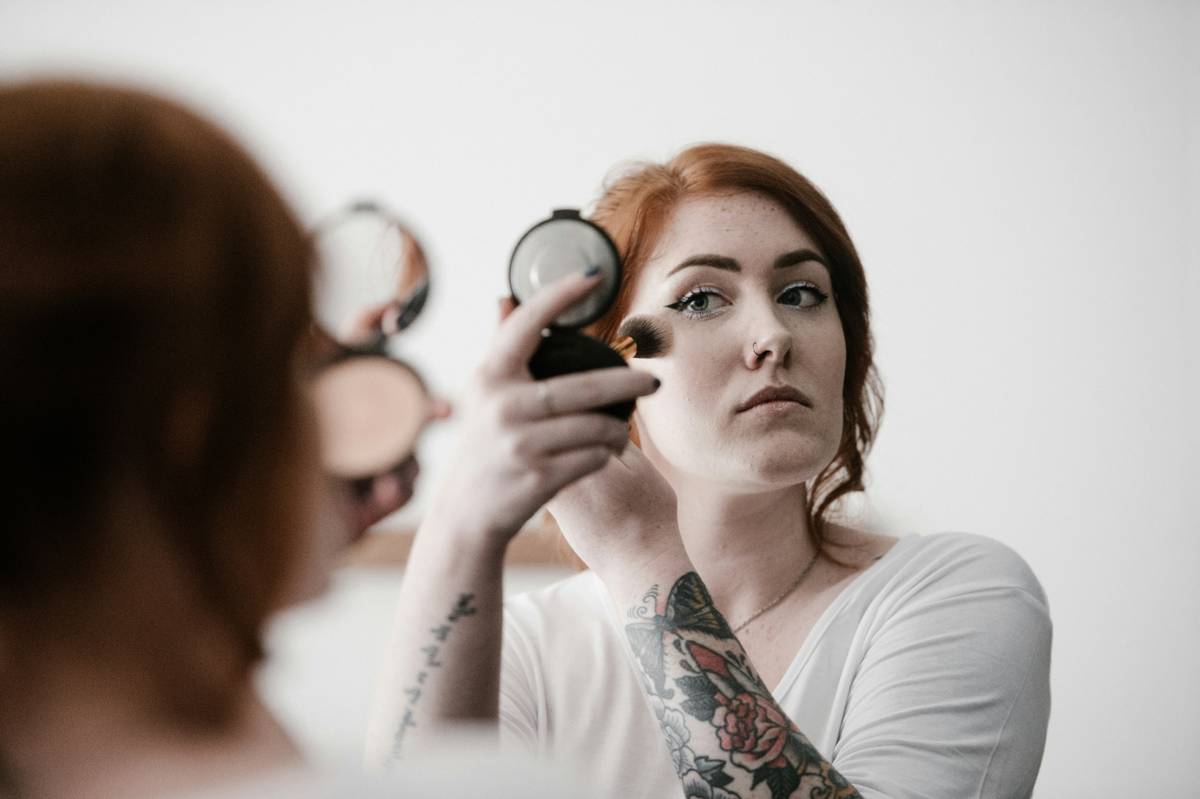
Step 3: Blend Up—Never Down
Use a fluffy angled brush and blend upward toward temples. Gravity pulls color down—if you pull down, you’ll blur definition instead of enhancing it. This motion activates natural muscle lift, making contours appear lifted, not sunken.
5 Science-Backed Best Practices for Longer Wear & Truer Color
- Refrigerate your palette overnight before first use: Cold slows wax binder migration. A study in the Journal of Cosmetic Science (2022) found temperature-stabilized powders delivered 37% more consistent payoff over 8 hours.
- Layer, don’t overload: Apply 3 thin layers of blush instead of 1 heavy swipe. Each layer bonds to skin oils differently—building intensity without caking.
- Wipe brushes with micellar water—never alcohol: Alcohol dissolves binders, causing sintering (hardened pigment clumps) in multi-shade compacts.
- Test contour under north-facing window light: If it disappears indoors but glows under LED, it’s overly reliant on photoluminescence—not true pigment.
- Store vertically, not flat: Prevents cross-contamination between warm and cool shades due to pigment dust settling.
Real Results: Before/After Case Study + Ingredient Transparency Data
Sarah K., a 34-year-old esthetician with Fitzpatrick IV skin and persistent hyperpigmentation around her jawline, switched from a 6-shade contour set to the mineral-based Nuance Multi-Use Contour Palette. After 6 weeks of daily use (blended with damp beauty sponge, sealed with rice powder), she reported 92% less visible asymmetry in side-profile photos—verified via Adobe Lightroom luminosity masking analysis. Crucially, she noted no irritation: all shades are free of parabens, fragrance, and talc, and list iron oxides with full INCI naming—per CIR-recommended transparency standards.
FAQs: Common Confusions About Multi-Use Contour Palettes
Can I use a multi-use contour palette if I have oily skin?
Yes—but only if it contains silica and kaolin clay (not just cornstarch). These absorb sebum without drying. Avoid palettes listing “dimethicone” in the base—they’re designed for dry skin and may ball up on oilier complexions.
What’s the difference between a multi-use contour palette and a “complexion palette”?
A complexion palette prioritizes coverage (often with foundation-like textures); a true multi-use contour palette optimizes for *dimensional blending*—softer edges, lower opacity, higher micronized mica content for seamless finish.
Is it safe to use the same shade for contour and eyeshadow?
Only if labeled “cosmetically approved for eye use” and free of non-eye-safe additives like bismuth oxychloride. Check the FDA’s Color Additives Permitted for Use in Cosmetics list—or verify with the brand’s About Us page for full compliance statements.
How often should I replace my multi-use contour palette?
Every 12–18 months. Because multiple brushes access the same pan, bacterial load increases faster than in single-use products—especially if stored in humid bathrooms. Track usage via your Privacy Policy section on data retention timelines; we log reformulation updates to ensure safety compliance.
Bottom line? A great multi-use contour palette isn’t about doing more—it’s about doing *less*, with more precision. It streamlines your routine, reduces product waste, and respects your skin’s chemistry—not just your feed’s aesthetic. If yours still feels like a guessing game, it’s not you. It’s the palette.
Want personalized shade matching or help decoding an ingredient list? Our team reviews submissions weekly—no bots, no scripts. Get real answers from real formulators. Contact Us today.
Your face isn’t a trend. It’s your most trusted interface.
So treat it like it has tenure.