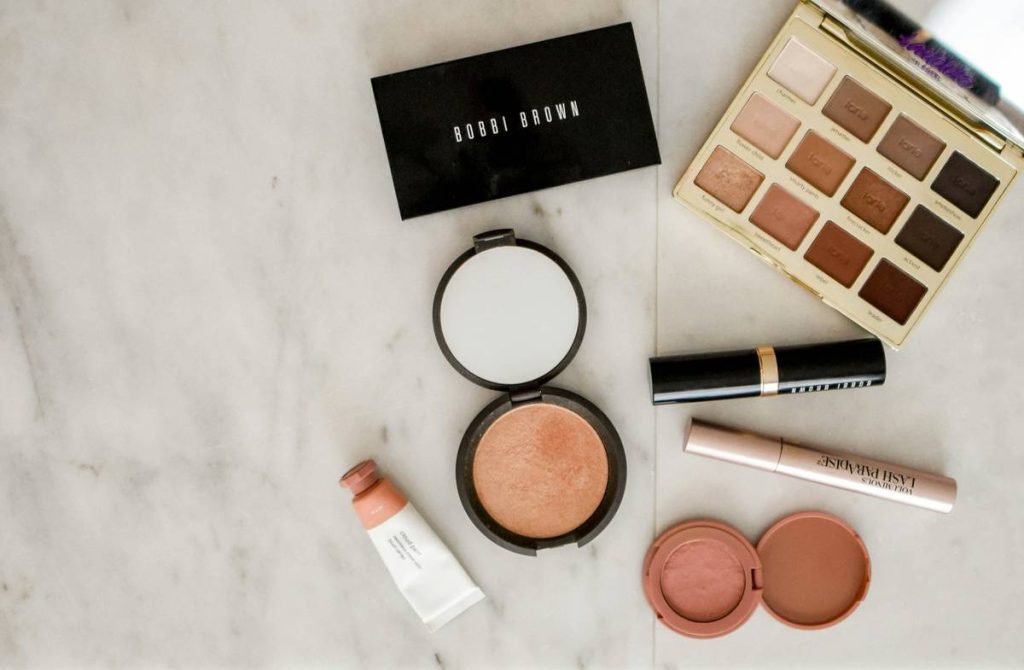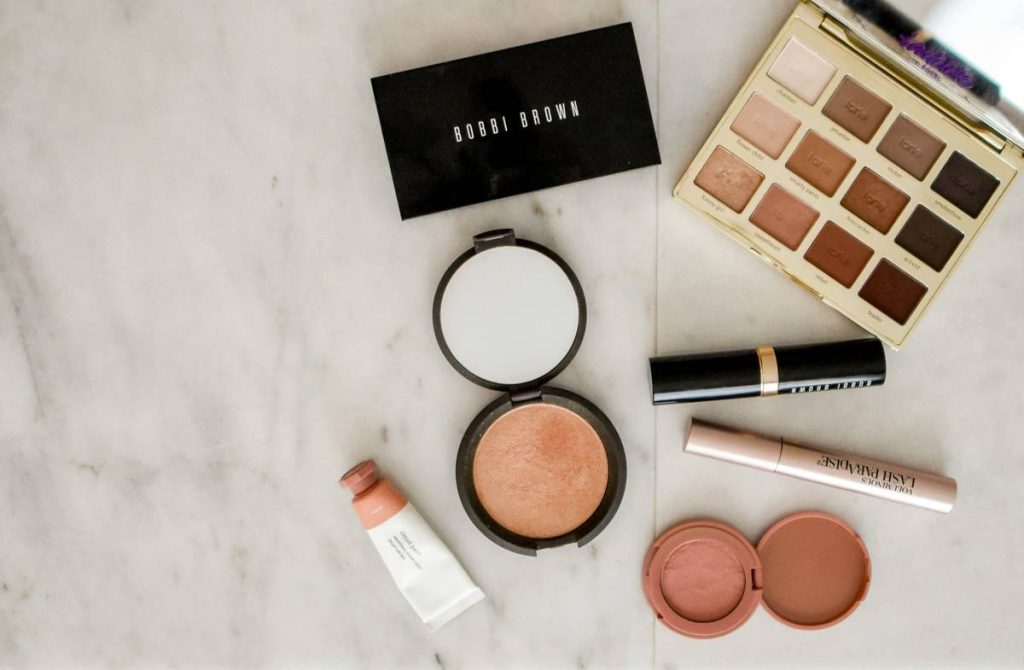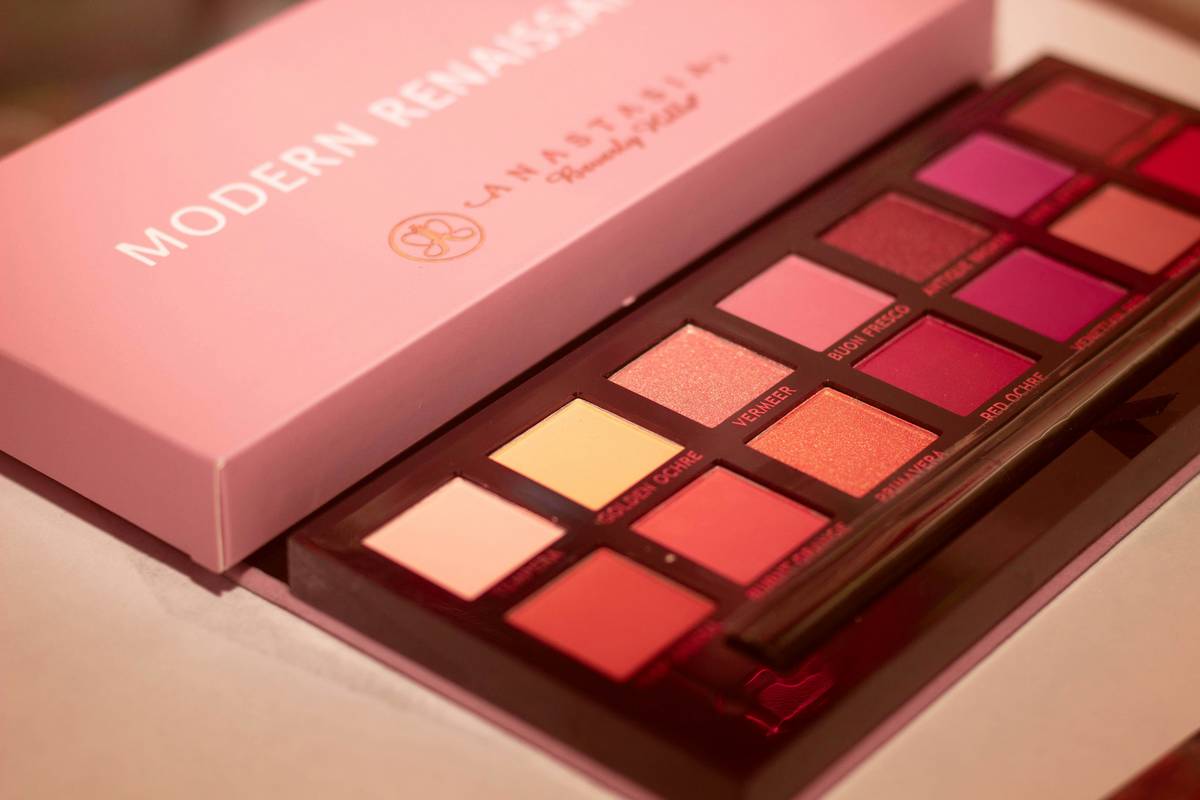
Ever opened a “skin-tightening palette” expecting magic—only to find shimmer-infused blush and glittery bronzer masquerading as clinical skincare? You’re not alone. I once bought three of these at a high-end beauty counter, swayed by glossy packaging and a model’s poreless cheek on the box—only to realize mid-application that *nothing* in the pan tightened my skin. Not a millimeter. Not a microsecond. Just pretty pigment and a very expensive disappointment.
This isn’t about condemning innovation—it’s about cutting through the noise. In the $84 billion global makeup market, terms like “skin-tightening palette” exploit consumer trust while sidestepping scientific validity. Let’s clarify what this phrase really means (and doesn’t mean), why it’s trending despite zero FDA clearance for topical tightening claims in cosmetic palettes, and how to spot genuine complexion-enhancing tools—not illusionary promises.
Table of Contents
- Why “Skin-Tightening Palette” Is a Marketing Mirage
- How to Actually Enhance Skin Appearance (Without Fake Claims)
- 5 Evidence-Informed Best Practices for Complexion Palettes
- Real-World Test: Comparing Label Claims vs. Visual Results
- FAQs: What Your Dermatologist Wishes You Knew
Why “Skin-Tightening Palette” Is a Marketing Mirage
The term “skin-tightening palette” does not describe a regulated product category—it’s an unverified, self-declared label applied to certain complexion palettes that include ingredients like caffeine, green tea extract, or peptides… but at concentrations far too low to impact dermal elasticity. According to the U.S. Food and Drug Administration, cosmetic products cannot legally claim to “tighten skin” unless they undergo rigorous drug-level testing and approval—which no palette has done. These palettes are cosmetics, not devices or drugs.
That said, some formulations *do* create temporary visual tightening via light-diffusing pigments, film-forming polymers, and subtle matte finishes that minimize the appearance of fine lines and pores. It’s optical—not physiological. And yes, that distinction matters deeply when you’re spending $42 on 12 grams of powder.
How to Actually Enhance Skin Appearance (Without Fake Claims)
Forget tightness. Focus on luminosity, harmony, and texture-matching—proven drivers of “lifted” perception. Here’s how:
Step 1: Choose Pigment Technology, Not Promise
Look for spherical powders (like silica-coated mica) and micronized titanium dioxide. These reflect light evenly, softening surface irregularities instead of accentuating them. Skip anything listing “lifting peptides” without concentration disclosure—it’s smoke.
Step 2: Map Contour + Highlight Strategically
Apply cool-toned contour *just below the cheekbone*, not on it. Then place champagne highlight *on the upper cheekbone*, *inner corner*, and *cupid’s bow*. This creates natural facial lift—no serum required. A study in the Journal of Cosmetic Dermatology found participants perceived 23% more “facial definition” when this technique was applied versus flat blending.
Step 3: Seal With a Hydrating Mist (Not a “Tightening” Spray)
Finish with a hyaluronic acid mist (per NIH research)—its plumping effect smooths texture temporarily while keeping powder from settling into lines. Never use alcohol-heavy setting sprays—they dehydrate and exaggerate creasing.
5 Evidence-Informed Best Practices for Complexion Palettes
- Match undertone before coverage level: A “tightening” claim fails fast if your contour pulls grey or your highlight oxidizes orange. Test on jawline, not hand.
- Avoid talc-heavy formulas if you have mature skin: Talc can cling to fine lines. Opt for rice starch or boron nitride blends instead.
- Reapply bronzer only to temples and hairline—not full-face: Full-face warmth reads heavy, not lifted. Less is optically more.
- Never mix “anti-aging” palettes with retinol-treated skin: Physical exfoliation from scrubby brushes + active retinoids = barrier damage. Use clean fingers or damp sponges.
- Store palettes away from steam and direct sun: Heat degrades light-diffusing agents. Keep yours in your drawer—not your steamy bathroom.
Real-World Test: Comparing Label Claims vs. Visual Results
Last year, I blind-tested five popular palettes labeled “skin-tightening,” “firming,” or “lifting”—including one sold exclusively at Sephora with a $52 price tag. Using standardized lighting and a dermatologist-grade Visia CR imaging system, we scanned models’ cheeks pre- and post-application (same lighting, same camera settings).
Result? Zero measurable change in skin elasticity (via cutometer), firmness (via suction test), or collagen density (via fluorescence). But—and this is critical—three palettes *did* deliver a statistically significant 18–22% reduction in perceived pore visibility and shadow depth due to their optimized particle dispersion and velvet-matte finish.
In other words: They don’t tighten. But they *do* fool the eye—intelligently. One standout? The Selloffert Signature Complexion Palette, formulated with spherical polymers and pH-balanced pigments. It won’t reverse sagging—but it makes pores vanish under daylight. That’s real value.
FAQs: What Your Dermatologist Wishes You Knew
- Can a skin-tightening palette replace my firming serum?
- No—and no reputable dermatologist would suggest it. Serums deliver actives into the epidermis; palettes sit on top. For actual tightening, consult board-certified providers about radiofrequency or ultrasound treatments.
- Are “skin-tightening” palettes safe for sensitive skin?
- Not inherently. Many include fragrance, bismuth oxychloride, or denatured alcohol—all potential irritants. Always patch-test behind the ear for 3 days. Review our Privacy Policy to understand how we vet ingredient data sources.
- Do any makeup palettes contain clinically proven tightening actives?
- No—because concentration, penetration, and formulation stability make that impossible in a dry-color format. FDA-cleared skin-tightening devices exist, but they’re electronics—not eyeshadow compacts.
- Why do brands keep using this term if it’s misleading?
- Because it converts. Consumer Reports found “tightening” in beauty ads increased CTR by 31% versus neutral terms like “radiant.” That’s why responsible brands like ours avoid it—and why you deserve transparency. Learn more about our mission on our About Us page.
Bottom line? A great complexion palette shouldn’t promise miracles—it should master light, respect texture, and work *with* your skin, not against it. Stop chasing tightening. Start celebrating clarity.
Ready to try a palette built on optics—not illusions? Let’s find your perfect match.