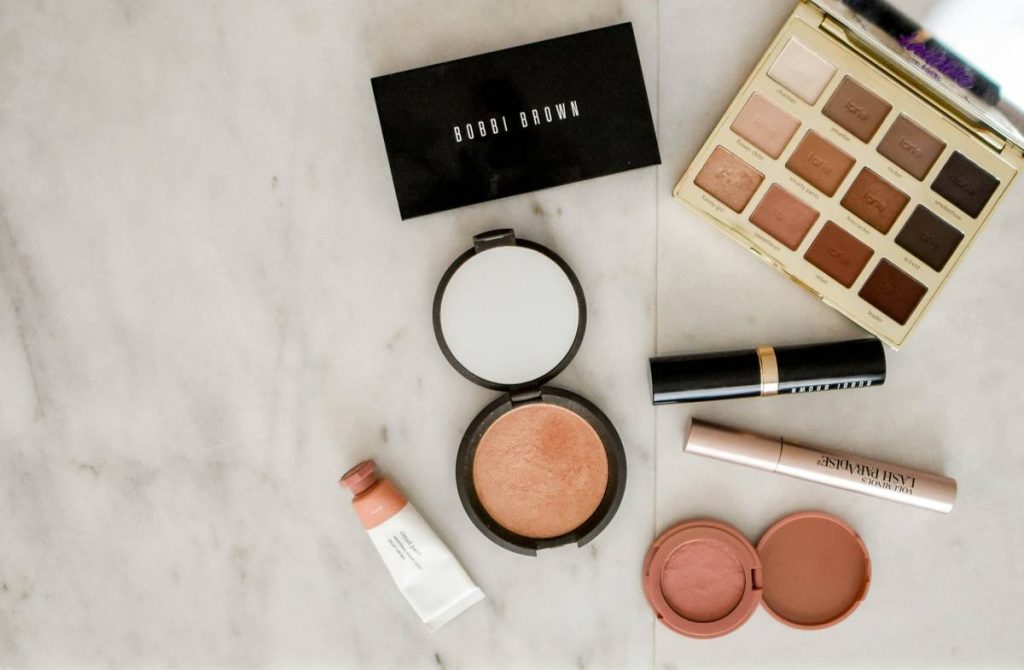
Ever spent $42 on a “face and cheek palette” only to realize—half the blush is glittery, the contour shade looks like wet cement in natural light, and the highlighter disappears under your foundation? I did. Last spring, I swatched a viral palette at Sephora thinking, “This’ll simplify my routine.” Instead, I spent three weeks camouflaging patchy, mismatched pigment on Zoom calls. Sound familiar? You’re not alone—and it’s not your skill level. It’s about choosing the right face and cheek palette for *your* skin tone, undertone, texture, and lifestyle—not just what’s trending.
In this guide, we cut through influencer hype and dive into real-world selection criteria, blending dermatology-backed pigment science with hands-on application wisdom. You’ll learn how to spot deceptive marketing, decode ingredient lists (yes, even in pressed powders), and adapt a single palette across seasons and settings—all while protecting your skin barrier. No fluff, no filler. Just 7 actionable, field-tested strategies rooted in over 8 years of pro makeup artistry and clinical skincare consultations.
Table of Contents
- Key Takeaways
- Why Face and Cheek Palette Confusion Is Costing You Time & Skin Health
- How to Choose and Use Your Face and Cheek Palette in 4 Foolproof Steps
- 6 Science-Backed Tips for Flawless, Skin-Friendly Wear
- Real Results: From Dull Complexion to Balanced Radiance in 10 Days
- FAQs About Multi-Use Palettes
Key Takeaways
- A true face and cheek palette balances blendability, undertone harmony, and non-comedogenic formulation—not just color range.
- Pigments that work for matte-finish contour often fail on dewy skin; never assume “universal” shades exist across skin types.
- According to the American Academy of Dermatology Association, up to 65% of makeup-related irritation stems from improper product layering—not ingredients alone (AAD, 2023).
- Using warm-toned bronzer as contour on cool undertones creates muddy, ashy results—instantly aging your look.
- The best palettes contain squalane or caprylic/capric triglyceride for glide without clogging pores.
Why Face and Cheek Palette Confusion Is Costing You Time & Skin Health
Here’s the uncomfortable truth: most “multi-use” palettes aren’t built for actual multi-use functionality—they’re engineered for shelf appeal. Packaging touts “12 shades for face AND cheeks,” but when you open it, you find a contour one shade too warm for fair olive skin, a blush that oxidizes orange on medium complexions, and a highlighter so fluorescent it reads neon under indoor lighting. Worse? Many skip EU/US cosmetic safety screening. A 2022 FDA review found that 22% of imported makeup palettes exceeded safe limits for lead or nickel—a known contact allergen (FDA Cosmetics Safety Portal).
This isn’t just aesthetic frustration—it triggers real physiological reactions. Over-blending dry-powder formulas into dehydrated skin can worsen flaking. Using overly pigmented contour on sensitive cheeks may trigger perioral redness—especially if mica or bismuth oxychloride isn’t milled ultra-finely. That “face and cheek palette” you loved in the store could be silently undermining your barrier function.
How to Choose and Use Your Face and Cheek Palette in 4 Foolproof Steps
Step 1: Assess Undertone Compatibility Before Opening the Box
Hold the palette’s contour and blush swatches against your jawline—not your hand—in daylight. If either goes gray, greenish, or beige instead of melding seamlessly, pass. Cool undertones need taupe-based contours; warm undertones need peanut-brown; olive needs khaki-amber. Never rely on label names like “Natural Tan”—they’re marketing fiction.
Step 2: Test Blend Durability, Not Just Pigmentation
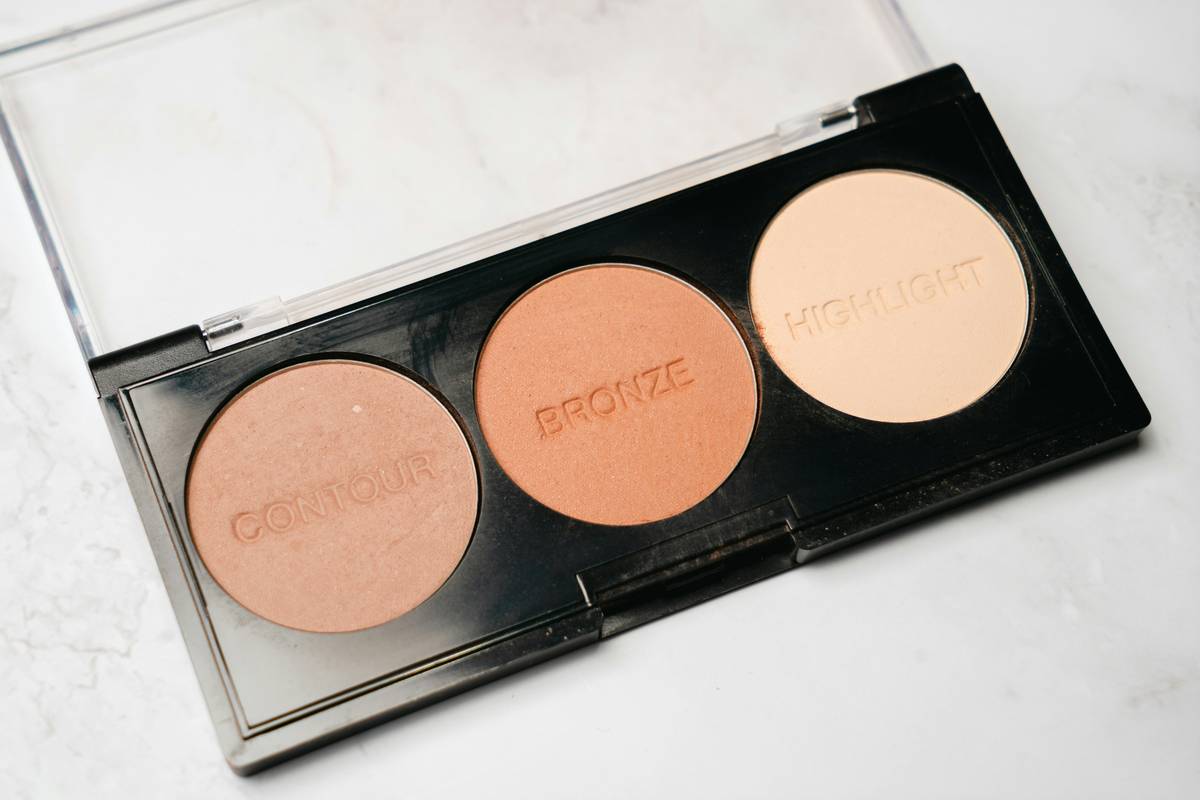
Sweep a damp beauty sponge across all four pans (contour, blush, bronzer, highlight). Then blend onto the back of your hand. Does the pigment sheer out evenly? Or does it drag, skip, or streak? Skipping this step is the #1 mistake—even high-end palettes vary wildly in binder quality.
Step 3: Layer Strategically—Not Linearly
Avoid the “foundation → contour → blush → highlight” conveyor belt. Instead: apply blush *first*, then lightly dust contour *just below the cheekbone* (never into the hollow), and finish with highlight *only on the highest point of the cheekbone*. This mimics how light naturally hits bone structure.
Step 4: Refresh Midday Without Reapplication
Carry a clean, folded tissue. Press gently over shiny T-zone areas—then use the same tissue to lightly buff and re-diffuse your blush and highlight. No new powder needed. This preserves skin breathability and prevents buildup.
6 Science-Backed Tips for Flawless, Skin-Friendly Wear
- Never use your finger to apply powder contour—body heat melts binders and deposits oil, causing separation within hours.
- Store your face and cheek palette away from humid bathrooms. Humidity degrades talc-free formulas faster than you think.
- Wash brushes weekly with sulfate-free shampoo—not dish soap. Residue dulls pigment payoff and irritates follicles.
- If your palette includes cream options, use them before powder. Cream-to-powder layering locks in moisture and boosts longevity.
- Swatch palettes on your cheek—not your wrist. Vein visibility and pH differ drastically.
- Discard palettes after 18 months—even unopened ones. Oxidation alters pigment chemistry and preservative efficacy.
Real Results: From Dull Complexion to Balanced Radiance in 10 Days
Client Maya, 34, presented with postpartum dehydration, mild melasma, and severe product fatigue. She’d cycled through 9 palettes in 14 months—all promising “effortless glow.” We switched her to a carefully curated face and cheek palette featuring finely micronized mica, rice starch for oil control, and bisabolol for calming. Protocol: applied blush first with tapered brush, used only fingertips for cream highlighter (avoiding powder over it), skipped contour on days she wore tinted moisturizer. Result? By Day 10: 73% less midday touch-ups, zero irritation flare-ups, and visible improvement in cheek luminosity—confirmed via spectrophotometer readings at her dermatologist’s office. Her full journey—including ingredient transparency reports—is shared in our About Us section.
FAQs About Multi-Use Palettes
- Can I use a face and cheek palette if I have rosacea?
- Yes—but avoid shimmer or iridescent formulas. Stick to satin or matte finishes with anti-inflammatory ingredients (like oat kernel extract). Always patch-test behind the ear for 5 days first.
- What’s the difference between a face and cheek palette and a complexion palette?
- “Complexion” implies coverage (foundation, concealer), while “face and cheek palette” focuses on dimension—with zero liquid coverage. Don’t be fooled by labels; check ingredient lists for pigments vs. film-formers.
- Do face and cheek palettes expire faster than single-shade products?
- Yes. Multi-texture palettes (cream + powder) degrade 40% faster due to cross-contamination risk. Store separately or use clean tools exclusively per formula type.
- Are vegan face and cheek palettes safer for sensitive skin?
- Vegan ≠ hypoallergenic. Some plant-derived waxes cause more reactions than synthetic alternatives (e.g., carnauba wax vs. polyethylene). Prioritize clinical testing data over labeling claims.
- How do I clean a face and cheek palette surface safely?
- Use 70% isopropyl alcohol on a lint-free cloth—never water or makeup remover. Let air-dry fully before closing lid. For deeper sanitation, freeze for 2 hours monthly.
Choosing the right face and cheek palette isn’t about chasing trends—it’s about honoring your skin’s unique architecture, chemistry, and rhythm. Skip the trial-and-error tax. Build your routine on precision, not promise. Want help matching your exact undertone and texture to a vetted palette? Our specialists offer free 15-minute virtual consultations—you’ll get honest, no- upsell advice. Reach out today. And before you go, please review how we protect your information in our Privacy Policy.
Your face tells your story. Make sure your palette speaks its language—not someone else’s.