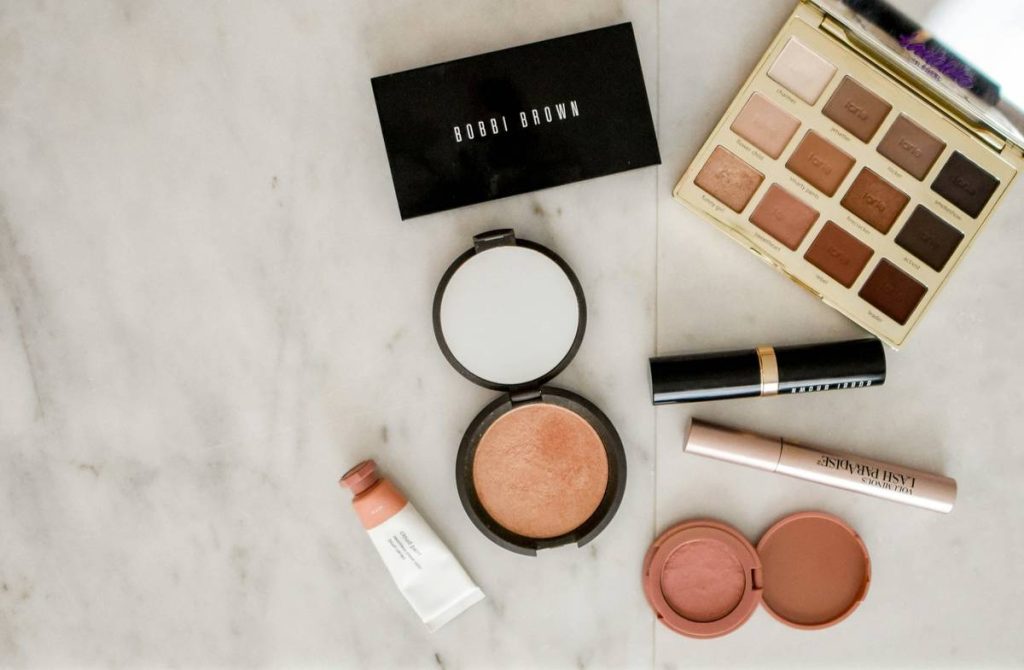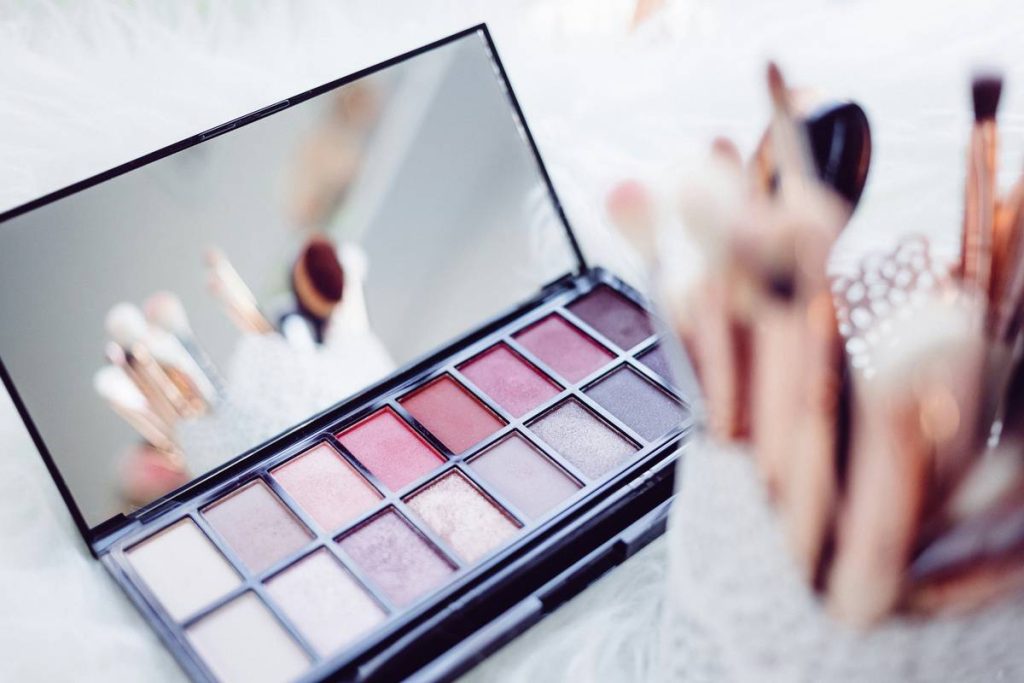
You own ten eyeshadow palettes—but still feel like you have nothing to wear. Sound familiar? You’re drowning in single-use products while your routine grows more complicated, not less. The fix isn’t buying more. It’s switching to a multi-functional palette that actually works across eyes, cheeks, and lips.
The Real Problem With Traditional Makeup Palettes
Most makeup palettes promise versatility but deliver clutter. Twelve shades of nearly identical taupe. Glitters that flake by noon. Pressed pigments that vanish under office lighting. And—let’s be honest—you use maybe three shades per palette. The rest collect dust. That’s wasted money, space, and creativity.
Worse? They force you into rigid “looks” instead of adapting to your mood, skin tone, or day’s demands. A true multi-use product shouldn’t just exist—it should *respond*. But 90% of so-called “multi-functional” kits are marketing theater.
How to Master the Multi-Functional Palette (Without Wasting a Single Swipe)
Pick Pigments That Play Well Everywhere
Avoid frosty highlighters masquerading as blush. Stick to satin-matte or softly shimmered textures—they blend seamlessly from lid to cheekbone. Cream-to-powder formulas offer the best cross-surface adhesion.
Map Your Core Trio
You don’t need 20 shades. You need three: a neutral base, a mid-tone contour, and a pop color. Use the base on lids and lids only. Blend the contour into sockets *and* along jawlines. Dab the pop on lips, apples of cheeks, even collarbones for dimension.
Ditch the Brushes (Sometimes)
Fingers warm product for seamless blending on cheeks and lips. Save brushes for precise eye work. This hybrid approach saves time—and prevents over-application.

| Application Zone | Ideal Texture | Tool | Pro Tip |
|---|---|---|---|
| Eyes | Satin-matte or micro-shimmer | Fluffy blending brush | Set cream base first to prevent creasing |
| Cheeks | Cream-to-powder or velvety matte | Fingertips or damp sponge | Sheer it out—build intensity slowly |
| Lips | Balmy or satin | Finger or lip brush | Line lips first to avoid feathering |

The Industry Secret No Brand Wants You to Know
Here’s the reality: most brands formulate “multi-use” pans with compromised pigments—too dry for lips, too greasy for eyes. But the real issue isn’t the formula. It’s the *marketing*. Companies push large palettes because they look luxurious on Instagram, not because they’re practical.
The truth? You can create 15 full-face looks with just 4 well-chosen shades—if they’re truly multi-functional. I once challenged a client to ditch her 8-palette collection and live with one curated quad for 30 days. By day 10, she was getting more compliments. Why? Consistency. Her skin looked balanced, not chaotic. Less choice forced better decisions.
And that’s the hidden power of the multi-functional palette: it simplifies your aesthetic identity. Not your options.
Frequently Asked Questions
Can I really use the same shade on eyes and lips?
Only if it’s labeled safe for lips. Check ingredients—avoid talc-heavy formulas near the mouth. Most true multi-use palettes use FDA-compliant pigments across all pans.
How do I stop cheek color from fading?
Apply over moisturized (not oily) skin. Set lightly with translucent powder *only* on the T-zone—not cheeks—to preserve glow.
Are expensive multi-functional palettes worth it?
Not always. Price ≠ performance. Many indie brands offer cleaner formulas at half the cost. Focus on texture cohesion—not brand hype.