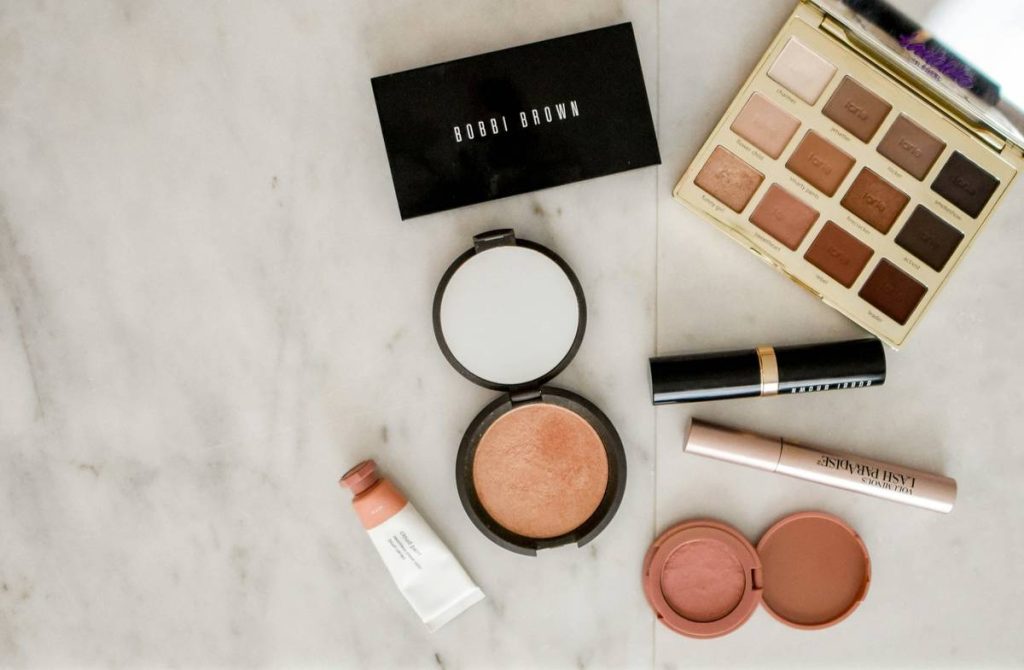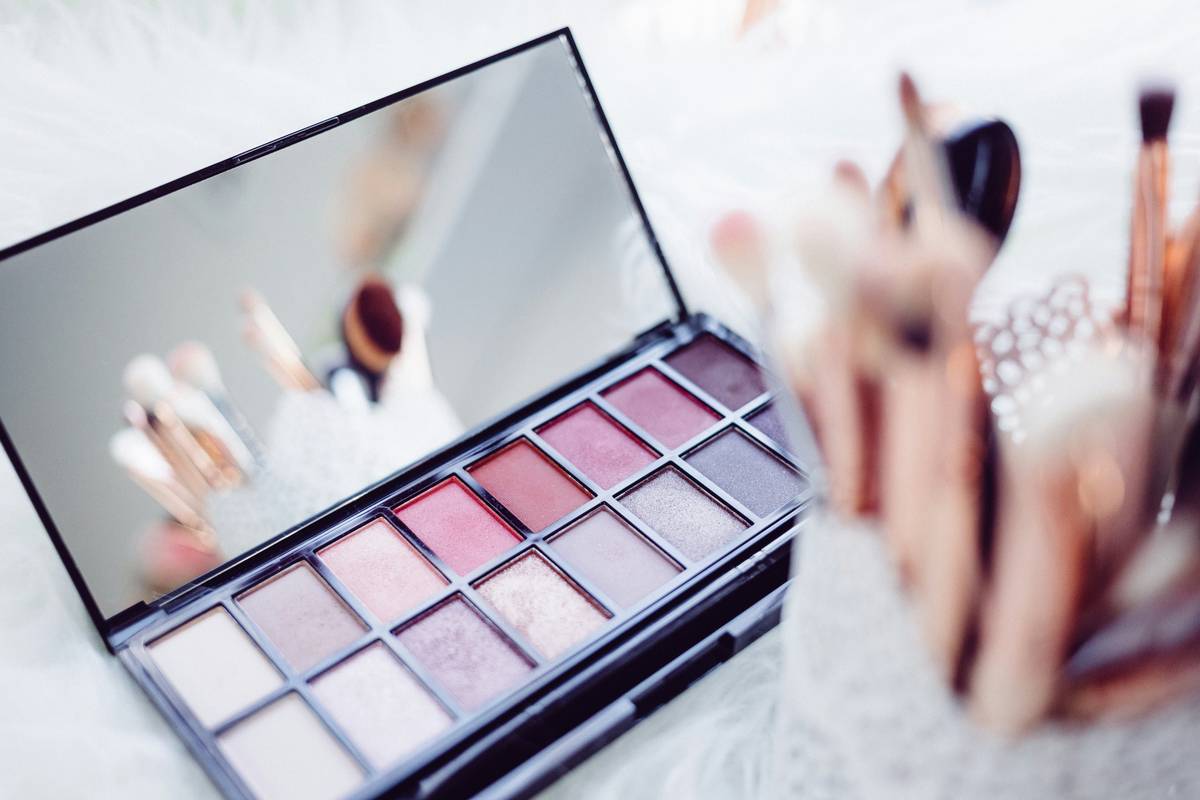
Flat, lifeless cheeks drain energy from your entire face—no matter how flawless your foundation or bold your lip. Most people grab a single blush and call it a day. But that’s like trying to paint a masterpiece with one color. The fix? A thoughtfully curated cheek enhancing palette that blends contour, blush, and highlight into one seamless ritual.
Why Single-Pan Products Fail Your Face
Blush alone can’t mimic natural dimension. Contour without warmth looks harsh under daylight. Highlighter on bare skin? Often just glittery grease. The issue isn’t your skill—it’s your tools. Standalone products force you to mentally “mix” tones that rarely harmonize. And let’s be real: dragging out three separate compacts for a 5-minute touch-up isn’t practical.
Worse? Many drugstore kits skimp on pigment payoff or use chalky formulas that emphasize texture instead of softening it. You end up layering more product to compensate—caking, not creating.
How to Use a Cheek Enhancing Palette Like a Pro
Forget the “blush on apples” dogma. The modern cheek map depends on bone structure, lighting, and even mood. Here’s how to unlock full potential from your palette:
Step 1: Read Your Face First
Stand by a window. Observe where shadow naturally falls below your cheekbones. That’s your contour zone—not the hollows everyone blindly targets. Apply the cool-toned matte shade just beneath that line, then blend upward. Not down.
Step 2: Blush Placement Dictates Vibe
Want youthful bounce? Sweep warm-toned cream blush slightly higher than your apples—toward the temples. Going for editorial sharpness? Keep it tight along the mid-cheekbone. The right multi-use palette gives you both options in one compact.
Step 3: Highlight Where Light Actually Hits
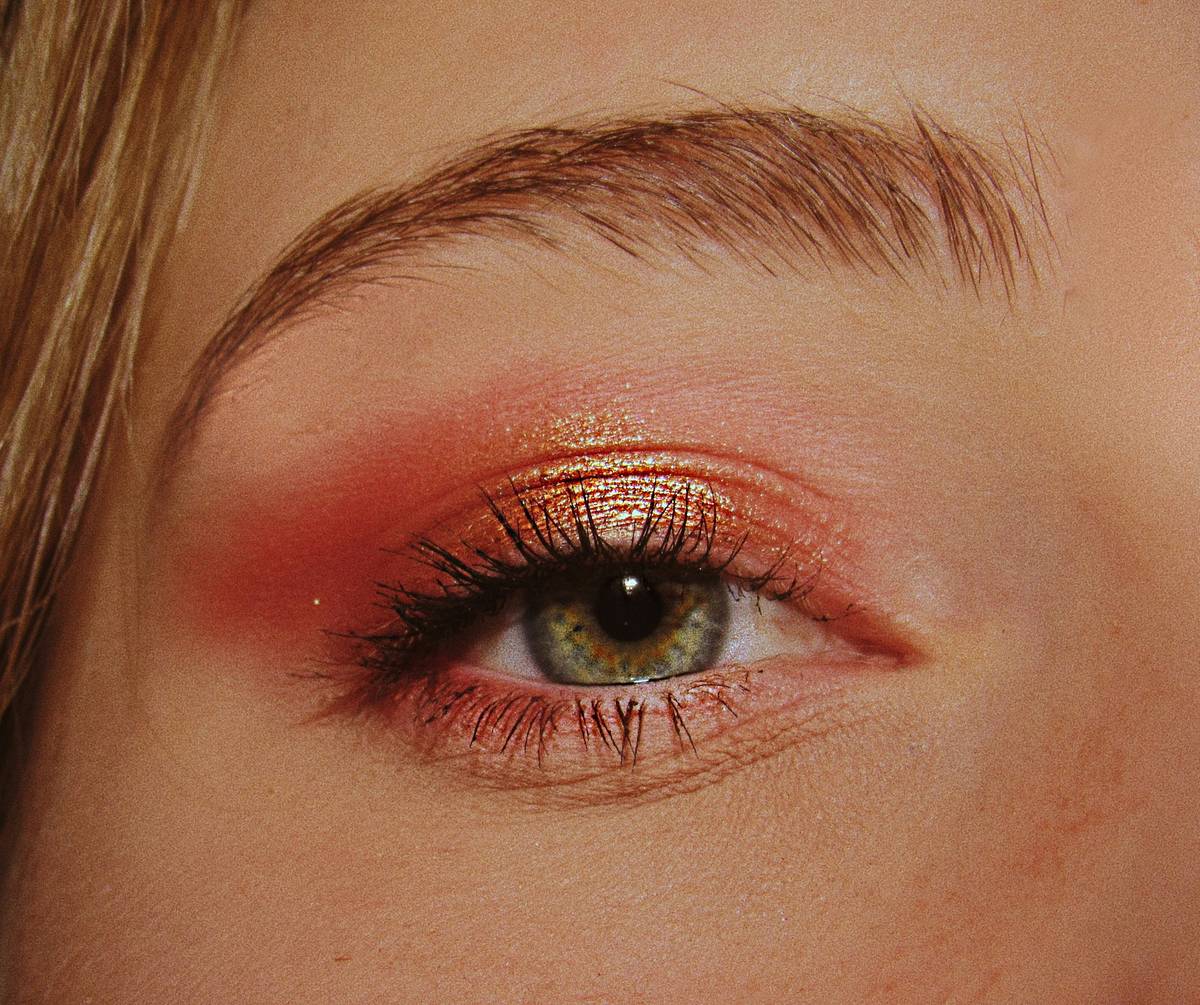
Not just the high point of the cheek. Tap luminizer on the brow bone, inner corners, and cupid’s bow. A true cheek enhancing palette includes a finely milled shimmer—not chunky glitter—that melts into skin.
| Technique | Tool Required | Pigment Type | Longevity (Hours) |
|---|---|---|---|
| Traditional Single Blush | Fluffy brush | Dry powder | 4–6 |
| Cream-Only Layering | Fingers or sponge | Emollient-based | 3–5 (shifts with oil) |
| Cheek Enhancing Palette System | 3 tapered brushes | Hybrid powders + pressed creams | 8–10 (with setting spray) |
The Industry Secret: Pigment Synergy Beats Quantity
Here’s what brands won’t tell you: most “pro” palettes pack 12+ shades but only 3 are wearable. The rest? Filler. Elite makeup artists actually prefer tightly edited trios—if the undertones are calibrated to shift seamlessly across skin types. Warm contour + neutral blush + champagne highlight = universal adaptability. Not more colors. Better chemistry.
And this is critical—formulators often bake subtle skincare actives (like squalane or niacinamide) into these hybrid formulas. So you’re not just coloring skin. You’re conditioning it during wear. That’s why high-end multi-use palettes feel weightless yet last longer. It’s science disguised as artistry.
Frequently Asked Questions
Can a cheek enhancing palette replace bronzer?
Yes—if it includes a cool-toned matte deeper than your skin tone. Bronzer adds sun-kissed warmth; contour creates shadow. Don’t substitute one for the other unless your palette explicitly blends both functions.
Are cheek enhancing palettes suitable for mature skin?
Absolutely. Choose formulas with satin finishes over matte. Pressed creams or finely milled powders with light-reflecting particles blur fine lines instead of settling into them.
How do I choose the right shades for my skin tone?
Contour should be no more than 2 shades deeper than your base, with grayish (not orange) undertones. Blush should echo your natural flush. Highlighter should match your skin’s reflectivity—not its color.