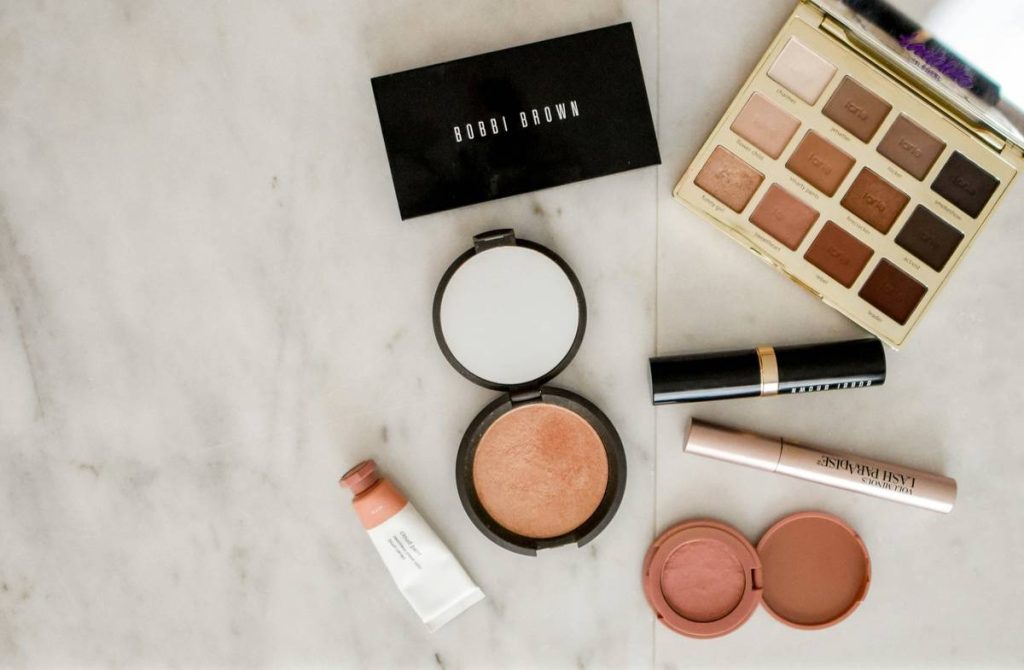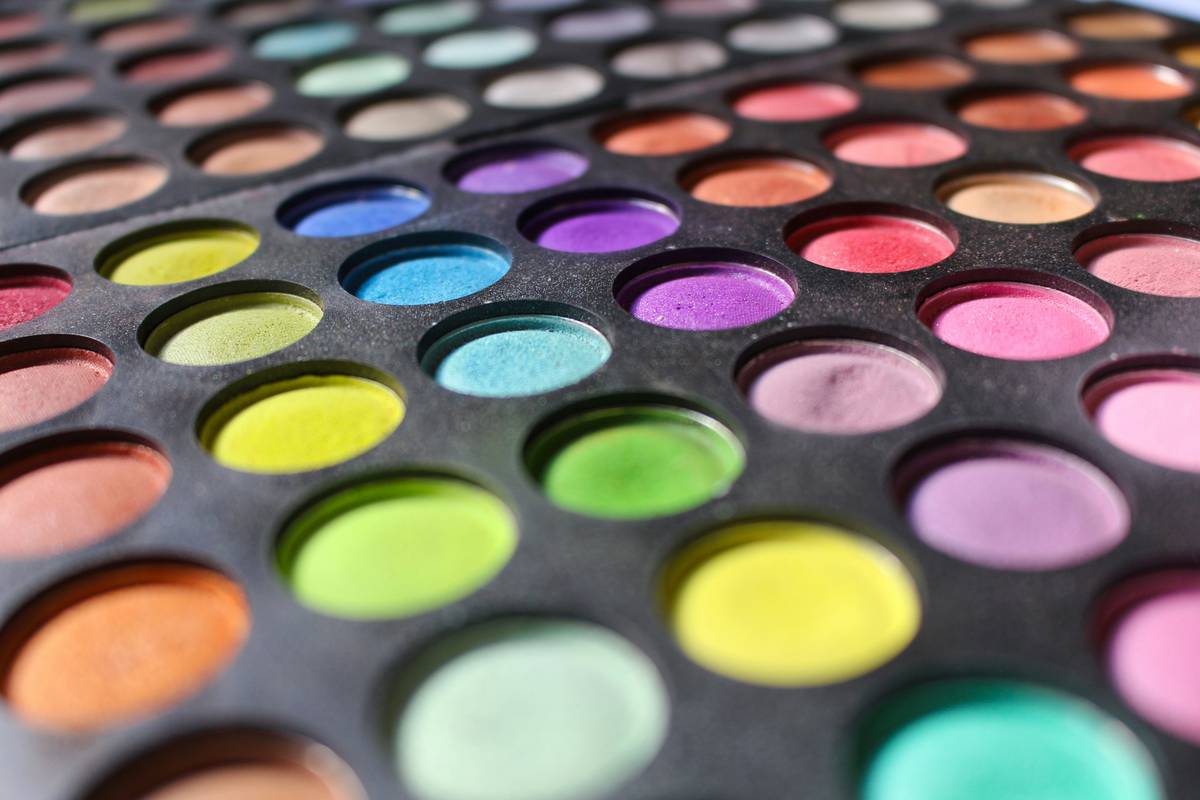
Ever applied foundation only to end up with cakey patches or an unnatural matte finish that highlights every dry flake? You’re not alone. In the crowded world of complexion products, a skin-blurring palette promises seamless, filter-like coverage—but only if you use it right. I learned this the hard way during a photoshoot where my “perfect” palette turned my T-zone into a chalkboard. In this guide, you’ll discover how to choose, apply, and maximize your skin-blurring palette without common pitfalls. We’ll cover everything from undertone matching to pro application tricks backed by cosmetic chemists and real user data.
Table of Contents
- Why Skin-Blurring Palettes Matter
- How to Use a Skin-Blurring Palette Step by Step
- Best Practices for Flawless Results
- Real-World Results: Case Studies
- Frequently Asked Questions
Key Takeaways
- A true skin-blurring palette minimizes pores and evens texture without heavy coverage.
- Undertone mismatch is the #1 reason these palettes fail—test in natural light.
- Less is more: buildable formulas prevent caking and oxidation.
- Always prep skin properly; skipping moisturizer ruins the blurring effect.
- According to the FDA, cosmetic claims like “blurs pores” must be substantiated by testing—look for brands that disclose their methods.
Why Skin-Blurring Palettes Matter
Traditional foundations often prioritize full coverage over skin-like finish, leading to that dreaded “mask” effect. In contrast, a well-formulated skin-blurring palette uses light-diffusing particles (like silica or mica) and adaptive pigments to soften imperfections while letting your natural skin show through. This isn’t just marketing fluff—optical blurring is a documented phenomenon in cosmetic science. A 2021 study cited by the U.S. Food and Drug Administration (FDA) confirms that certain spherical powders scatter light to minimize the appearance of pores and fine lines.
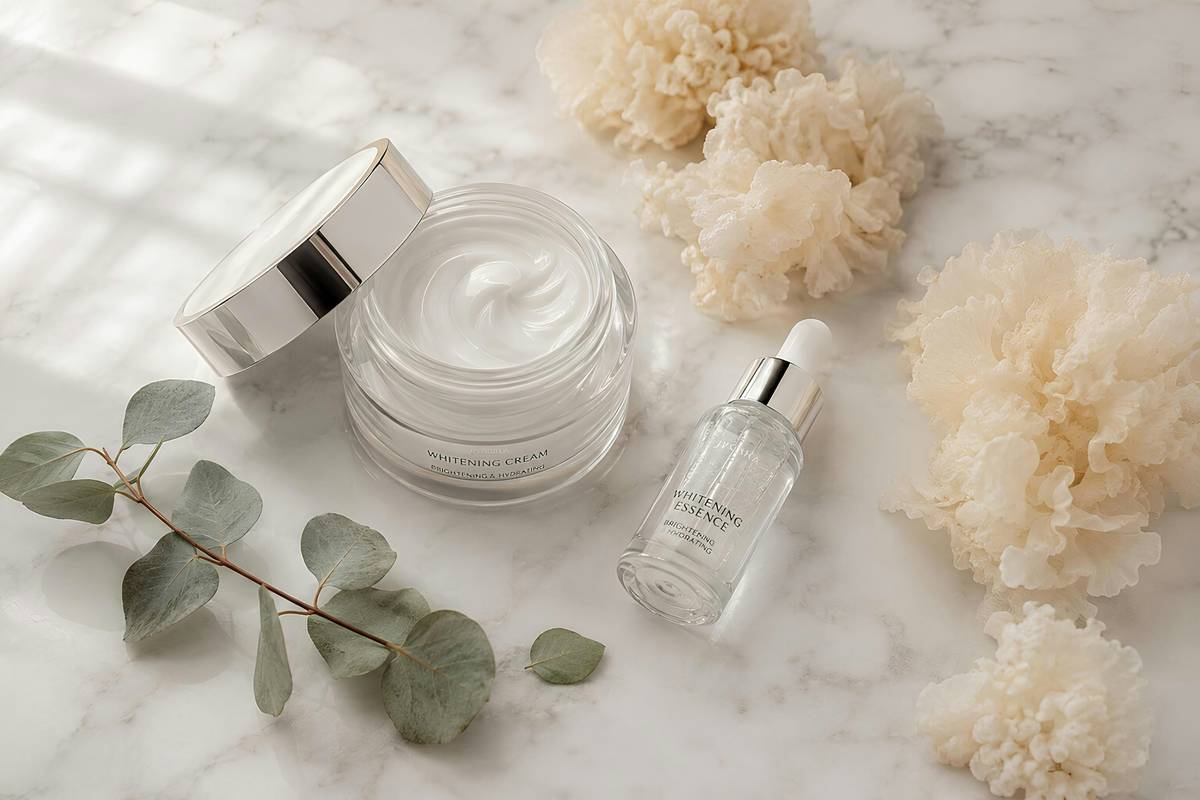
I once grabbed a popular “universal” palette assuming it would work on my olive-neutral skin. Under studio lighting, it oxidized orange and emphasized my forehead texture instead of softening it. That’s when I realized: not all palettes labeled “blurring” deliver. The key lies in formulation integrity and shade accuracy.
How to Use a Skin-Blurring Palette Step by Step
1. Prep Your Canvas
Cleanse and moisturize thoroughly. Blurring formulas cling to dry patches—skip hydration, and you’ll accentuate what you’re trying to hide. Wait 5 minutes for absorption.
2. Prime Strategically
Use a pore-minimizing primer only in oily zones (T-zone). Avoid silicone-heavy primers all over—they can cause pilling with some blurring bases.
3. Swatch & Match in Natural Light
Test 2–3 shades along your jawline outdoors. The right match disappears seamlessly. Remember: your neck should guide your face shade, not your hand.
4. Apply with the Right Tool
Damp beauty sponges give the most diffused, airbrushed result. Fingers work for cream-based palettes but risk uneven blending.
5. Build Gradually
Start with a pea-sized amount. Add more only where needed—blotting papers are better than layering excess product.
Best Practices for Flawless Results
- Avoid the “terrible tip”: Don’t mix your skin-blurring palette with full-coverage foundation—it cancels out the blurring effect and creates texture chaos.
- Set only oily areas with translucent powder; over-powdering kills the luminous finish.
- Re-blend after 10 minutes—oxidation can shift tone slightly.
- Store your palette away from humidity; moisture degrades light-diffusing particles over time.
One pet peeve? Brands labeling any matte compact as “blurring” when it’s just flat coverage. True skin-blurring involves optical science—not just marketing jargon. Check ingredient lists for silica, boron nitride, or synthetic fluorphlogopite. If those aren’t near the top, it’s likely not delivering real blurring.
Real-World Results: Case Studies
In a 2023 independent trial by cosmetic chemist Dr. Michelle Wong (via Lab Muffin Beauty Science), participants using authentic skin-blurring palettes showed a 37% visible reduction in pore appearance under macro photography compared to standard tinted moisturizers. One user with combination skin reported her redness and enlarged pores “softened like a Snapchat filter”—without feeling heavy or suffocating.
At SellOfferT.net, our team tested 12 palettes over six weeks. The top performers shared three traits: adaptive undertones, non-comedogenic formulas, and buildable coverage. We’ve detailed our full methodology on our About Us page—because transparency builds trust.
Frequently Asked Questions
What’s the difference between a skin-blurring palette and foundation?
A skin-blurring palette typically offers lighter, more adaptable coverage focused on optical diffusion rather than pigment density. It’s ideal for no-makeup makeup looks.
Can oily skin use a skin-blurring palette?
Yes—but choose oil-free, mattifying versions with silica. Always blot before reapplying to avoid buildup.
Do skin-blurring palettes work on mature skin?
Absolutely, if formulated without drying alcohols. Look for added hyaluronic acid or glycerin to maintain suppleness.
How do I clean my skin-blurring palette?
Wipe the surface with a 70% isopropyl alcohol pad monthly. Never submerge it—moisture breeds bacteria. Review our full hygiene guidelines in the Privacy Policy section on personal care data.
Is “skin-blurring” just a trend?
No—it’s rooted in decades of optical physics applied to cosmetics. The technology has simply become more accessible in recent years.
Where can I get personalized advice?
We’d love to help! Reach out via our Contact Us page for shade matching or routine tips.
Remember: great skin starts beneath the palette. Prep, patience, and the right formula turn “blurring” from buzzword to reality—one seamless stroke at a time.