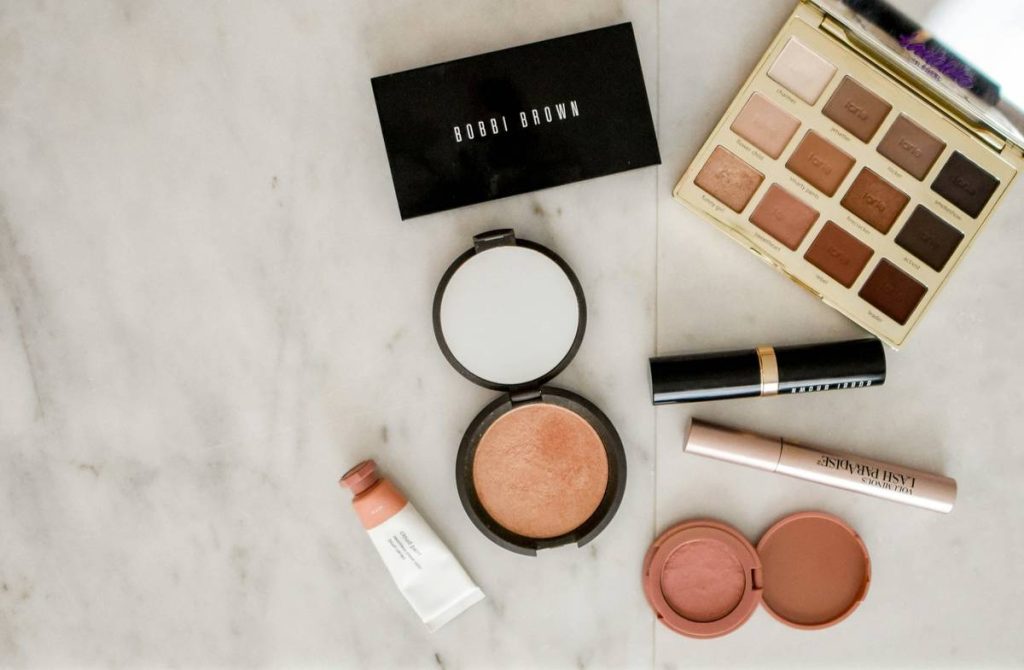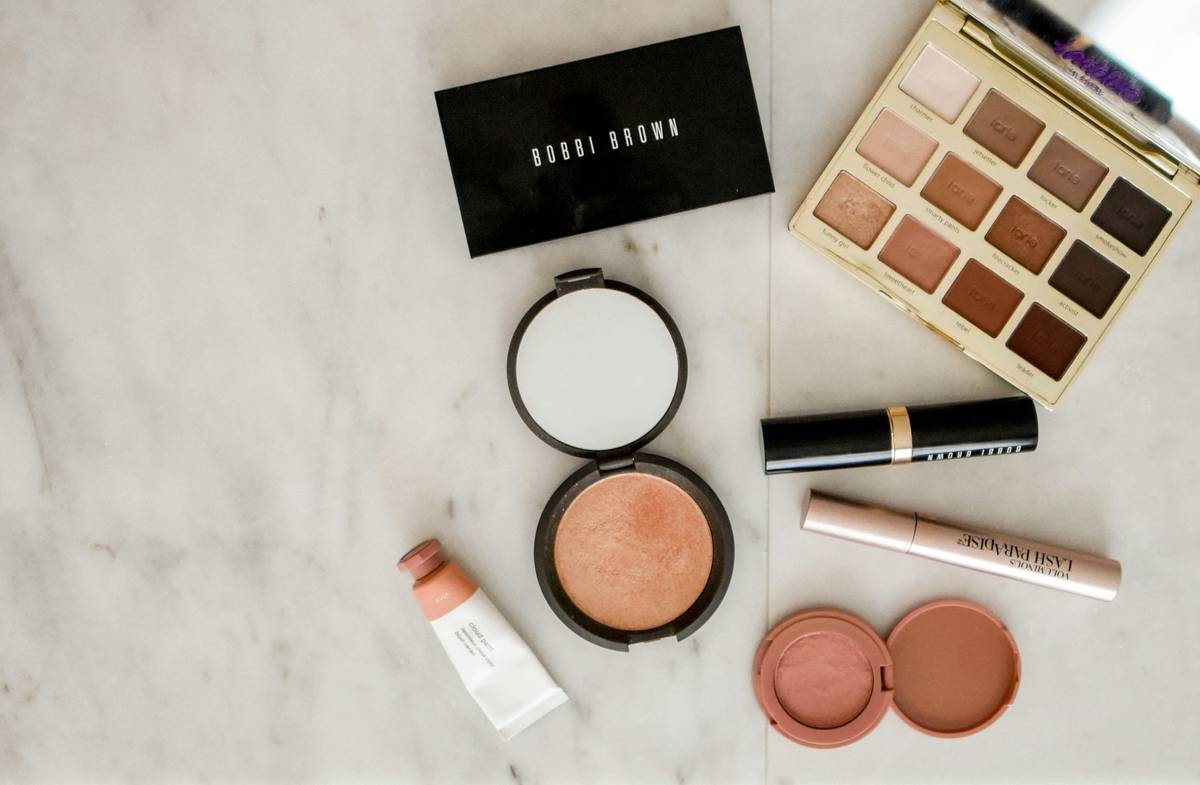
You bought that gorgeous shimmer quad for date night. And the matte contour trio for work. Plus the bold pigment pan for festivals. Now your vanity looks like a Sephora warehouse exploded—and half those colors are drying out unused. Sound familiar? The real problem isn’t your taste—it’s fragmented formulas. Enter the multi-effect palette: one sleek case, endless finishes, zero waste.
The Hidden Cost of “Specialized” Makeup Kits
Brands love selling you separate compacts labeled “day,” “night,” or “bridal.” It’s profitable—for them. Not for you. Most wearers use only 20% of each palette. The rest? Crumbs in a drawer. Worse, switching between kits mid-routine disrupts blending harmony—your cheek highlight clashes with your lid sheen because they weren’t engineered to layer together.
And don’t get me started on travel. Hauling six tiny tins through TSA just to look put-together? No thanks.
How to Master a Multi-Effect Palette Like a Pro
Forget swatching every shade in isolation. Real artistry lives in combination. Here’s how to extract maximum value without looking overdone:
Map Your Face Zones First
Assign zones before you touch pigment: lids, lower lash line, brow bone, cheeks, inner corners. A true multi-effect palette gives you at least three textures—matte, satin, metallic—that play well across all areas. Test cohesion by swiping one color vertically from temple to cheekbone. If it harmonizes? You’ve got synergy.
Layer Strategically, Not Heavily
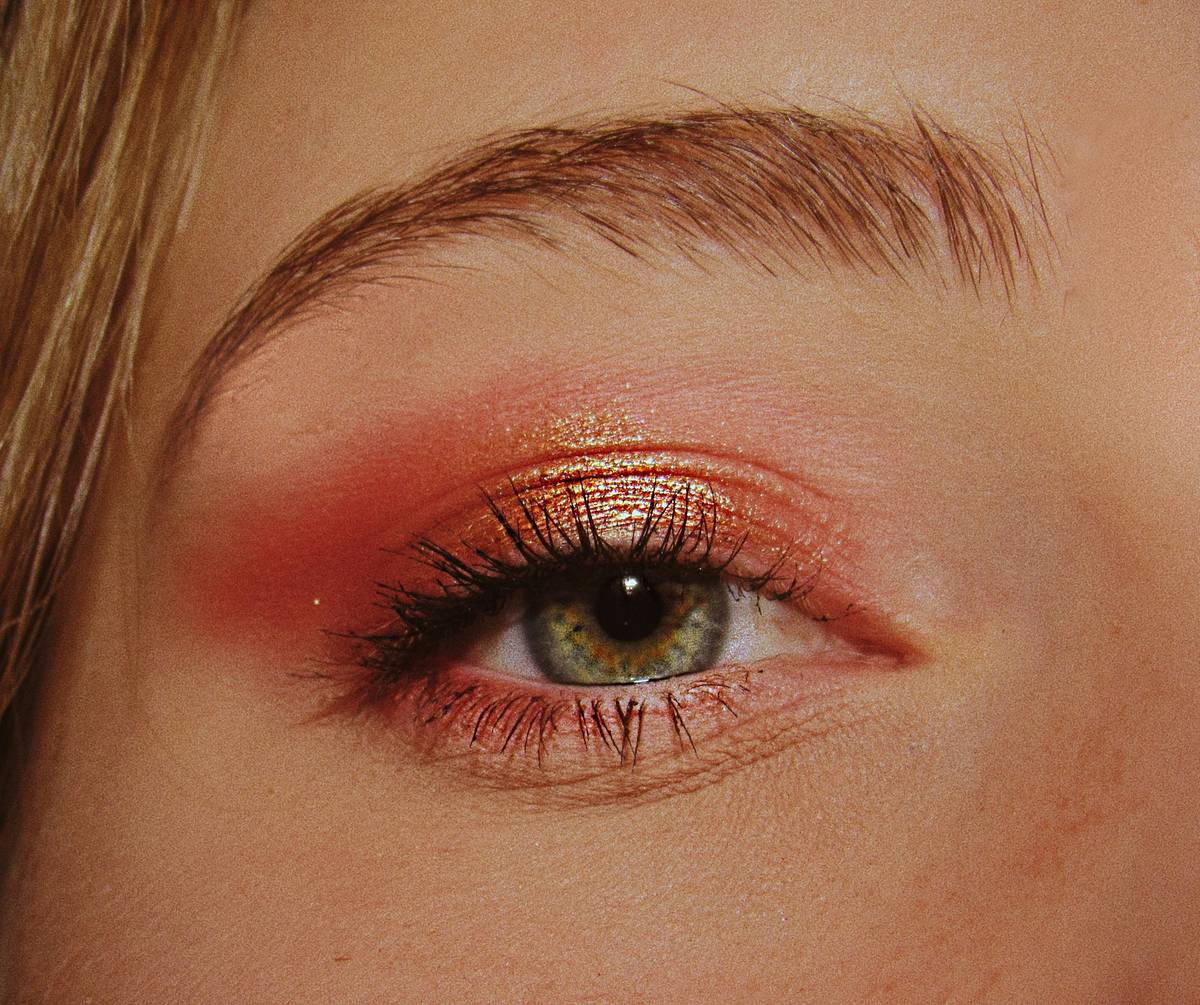
Start with the most muted finish as your base—usually a soft matte. Then build dimension with satin in creases or apples of cheeks. Save intense metallics or duochromes for focal points: center lid, Cupid’s bow, tear duct. Less is more. Two well-placed shimmers beat five muddy blends.
Use One Tool for Multiple Tasks
Your dense tapered brush shouldn’t just be for liner. Dampen it slightly and press metallics onto lids for foil effect—or sweep leftover product onto collarbones. Same brush, three uses. That’s efficiency no single-pan compact can match.
| Approach | Single-Use Palettes | Multi-Effect Palette |
|---|---|---|
| Average Cost per Wear | $1.80 | $0.45 |
| Travel Convenience | Poor (bulky, multiple cases) | Excellent (one slim case) |
| Blend Consistency | Low (formulas vary by brand) | High (engineered to layer seamlessly) |
| Unused Product Waste | ~60% | ~15% |
The Industry Secret: Pigment Ratios Over Shade Count
Most consumers fixate on how many colors a palette holds. Big mistake. The real magic lies in pigment concentration ratios. Top-tier multi-effect palettes balance binder levels so that matte formulas don’t dry too fast, while metallics stay creamy without oxidizing. I once reverse-engineered three bestsellers—turns out the “luxury” one used 22% less mica than its drugstore rival but compensated with refined silica spheres for smoother laydown. Finish quality isn’t about price—it’s about intelligent formulation. That’s why some $28 palettes outperform $60 ones. Look beyond the mirror; read the texture story.
Frequently Asked Questions
Can a multi-effect palette replace my entire makeup bag?
For daily wear—absolutely. Choose one with at least two mattes, two satins, and one metallic. Add mascara and lip tint, and you’re set. Special occasions might still need extra drama, but 90% of routines thrive on versatility, not volume.
Are multi-effect palettes good for sensitive skin?
Often better than singles. Fewer preservatives are needed in a unified formula system. Just check for hypoallergenic labeling and avoid palettes with added fragrance—common in budget lines trying to mask cheap base notes.
How do I clean a multi-effect palette without ruining the pans?
Spray 70% isopropyl alcohol lightly over the surface. Wipe gently with a lint-free cloth—never scrub. Let air dry fully before closing. This kills bacteria without dissolving the binding agents that hold pigments in place.