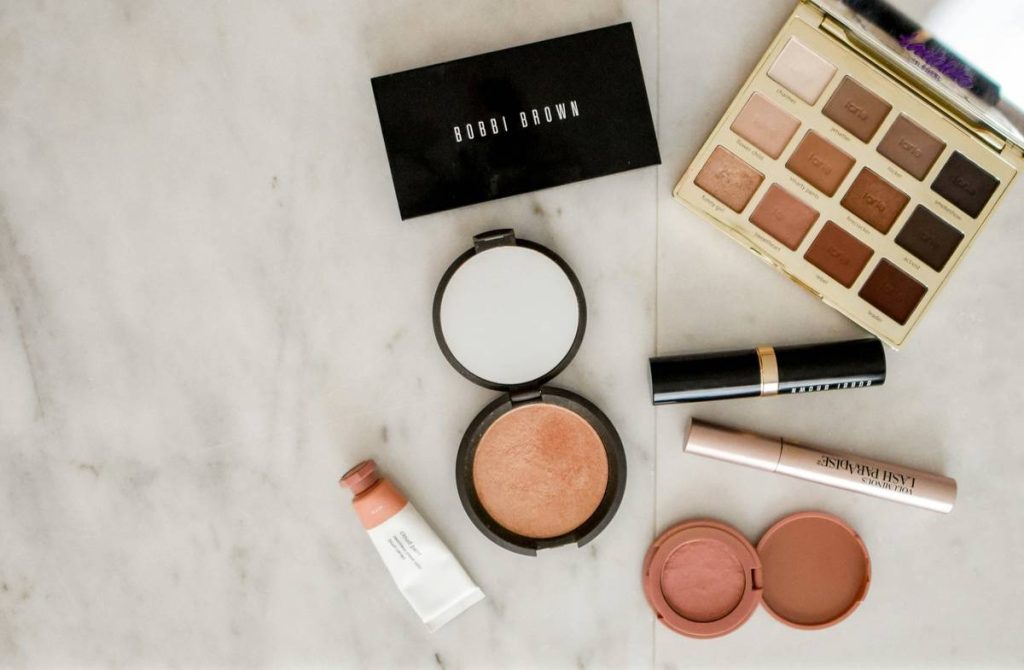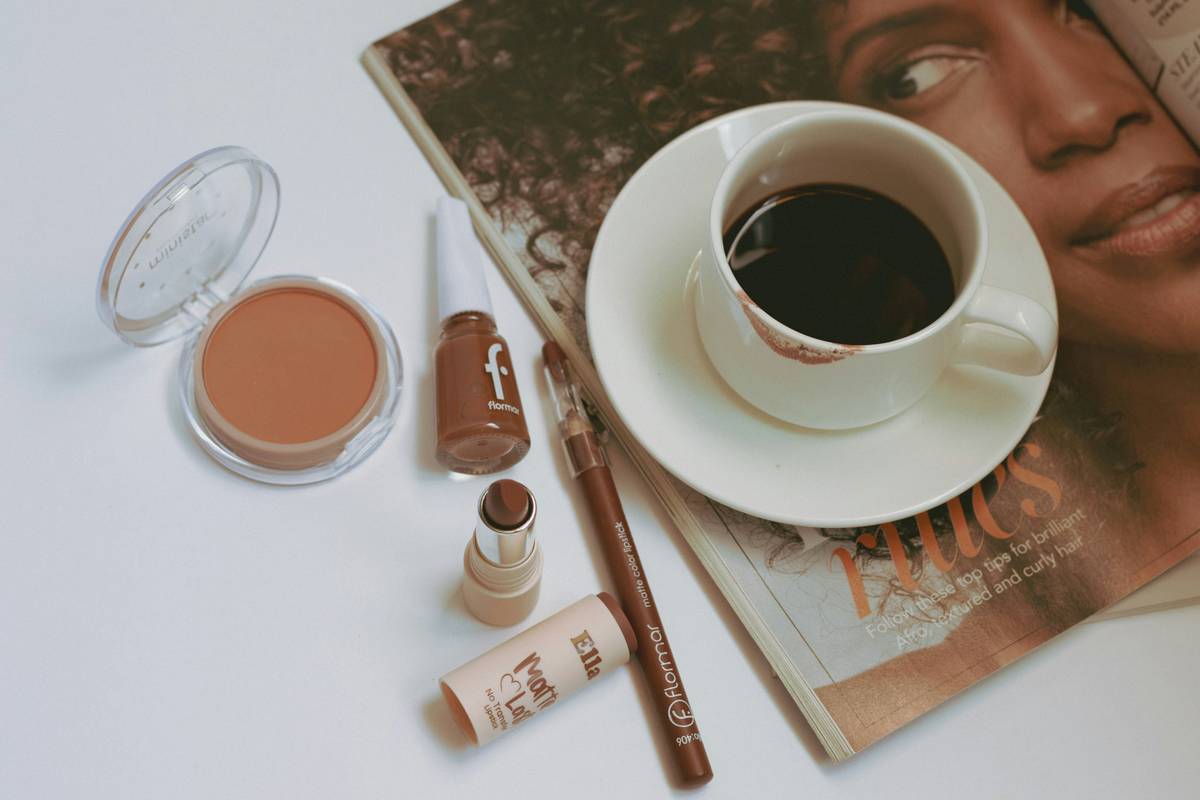
You bought a seamless coverage palette because you wanted skin that looked airbrushed—not caked. But instead of blending into your complexion like second skin, it’s patchy, oxidizes by noon, or disappears before lunch. The frustration is real. Here’s the truth: most “seamless” palettes fail because they’re designed for cameras—not people. The fix? Stop chasing coverage and start building dimension.
The Myth of One-Size-Fits-All Complexion Palettes
Brands slap “seamless coverage” on any compact with three beige shades and call it innovation. But real skin isn’t flat. It has shadows under the eyes, warmth along the jawline, cool undertones near the temples. A palette that offers only linear light-to-dark tones ignores this topography. And that’s why your foundation blends fine—but your concealer creases, your contour looks muddy, and nothing holds up past 3 p.m.
Worse? Most formulas sacrifice wear time for blendability. Or load up on talc to look matte—only to suck moisture from your skin and emphasize texture. You’re not applying makeup. You’re applying compromise.
How to Actually Use a Seamless Coverage Palette Like a Pro
Forget layering product after product. The magic happens when you treat your palette as a sculpting kit—not just a color corrector.
Map Your Face in Zones, Not Layers
Split your face into four zones: under-eyes, center forehead, nasolabial folds, and jaw hinge. Each needs a slightly different tone—not just lighter or darker, but cooler or warmer. A true seamless coverage palette gives you that nuance.
Ditch the Sponge—Use Fingers First
Sponges dilute pigment and create sheer, uneven coverage. Warm the product between your ring finger and thumb first. Then press—don’t swipe—onto targeted areas. Heat activates the emollients. Precision builds seamlessness.
Set Strategically, Not Globally
Powder only where you shine. Skip it on dry patches. This preserves the skin-like finish while controlling oil. Over-powdering kills the “seamless” illusion instantly.
| Application Method | Blend Time | Wear Duration | Finish Authenticity |
|---|---|---|---|
| Damp sponge + full-face powder | 45 seconds | 4–5 hours | Flat, mask-like |
| Finger-press + zone-specific setting | 90 seconds | 8+ hours | Skin-like, dimensional |
| Brush-only layering | 60 seconds | 6 hours | Streaky if not buffed aggressively |
The Industry Secret: Seamless ≠ Uniform
Here’s what no brand will tell you: perfect skin isn’t even-toned—it’s *strategically varied*. Top editorial makeup artists keep two palettes on set: one labeled “coverage,” another labeled “realness.” The latter contains slightly mismatched shades deliberately chosen to mimic how light actually hits living skin. A seamless coverage palette only works when you stop trying to erase every shadow and start enhancing natural variation. That slight coolness under the eye? Don’t neutralize it completely—soften it. That warm spot near your ear? Lean into it. The goal isn’t invisibility. It’s believability.
And ironically—that’s what makes it look flawless.
Frequently Asked Questions
Can a seamless coverage palette replace foundation?
Yes—if it includes buildable, skin-adaptive formulas. Use the mid-tone as a base, then deepen or brighten only where needed. Less product = more skin.
Why does my seamless coverage palette oxidize?
Cheap iron oxides react with skin pH. Choose palettes with stabilized pigments and silicone-based binders—they lock color in place without shifting.
Are cream or powder seamless palettes better?
Cream wins for dry/mature skin (luminosity stays intact). Powder excels for oily types—but only if infused with hydrating esters, not just silica.