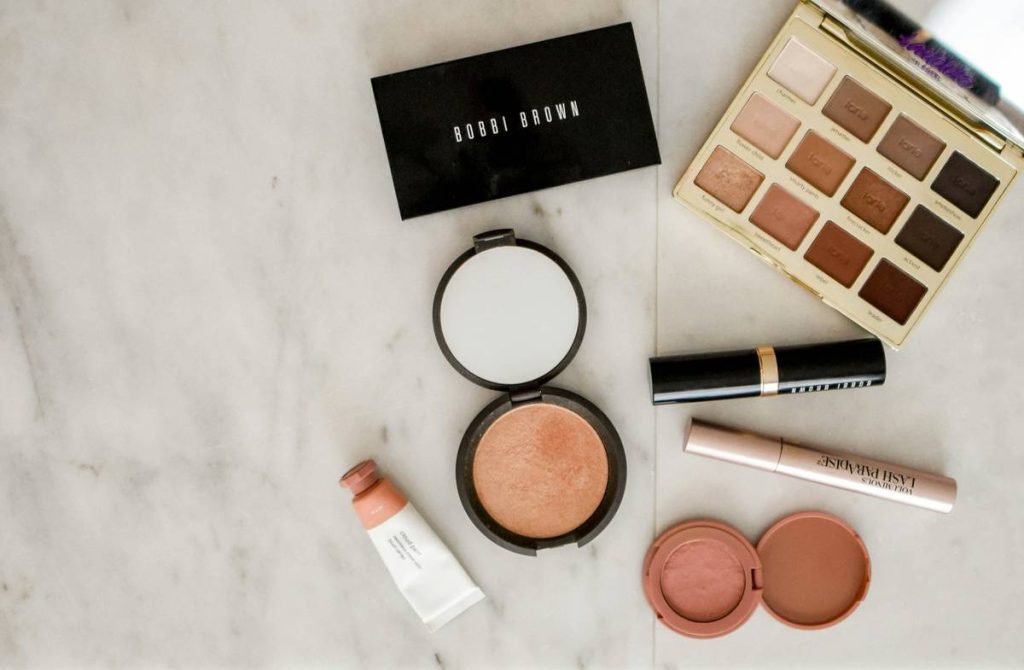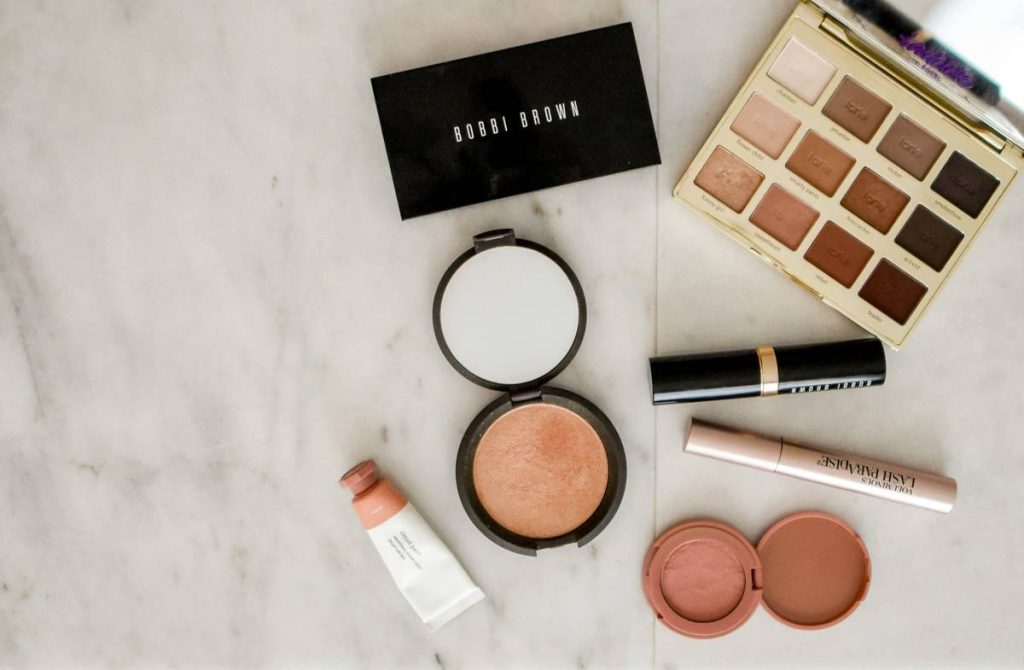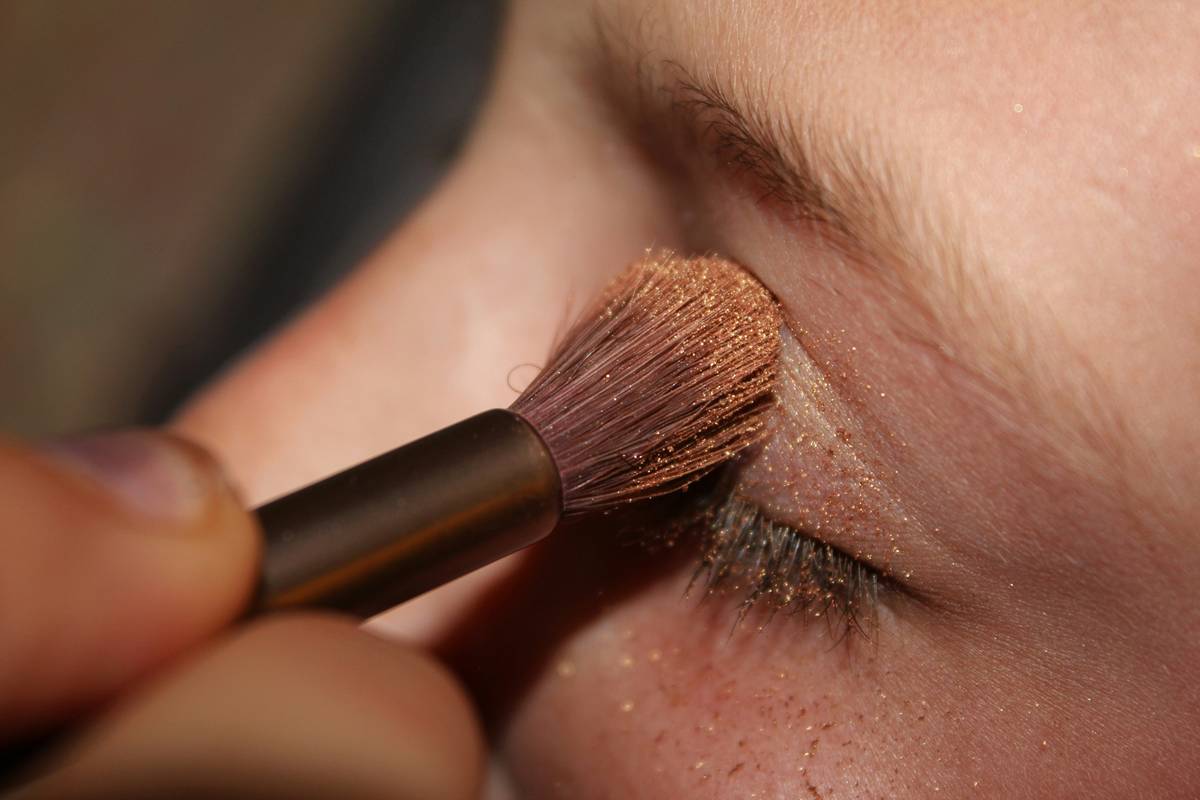
Ever spent big bucks on a sculpted complexion palette only to end up looking like you’ve been dusted with cinnamon and chalk? You’re not alone. I once bought a high-end trio claiming “universal blendability”—only to realize mid-application that the bronzer turned my olive skin neon orange under office lighting. That moment taught me: not all complexion kits are created equal. In this guide, we’ll cut through the marketing fluff and give you actionable, dermatologist-backed strategies to choose, apply, and master your sculpted complexion palette like a pro—without wasting money or confidence.
Table of Contents
- Why Sculpted Complexion Palettes Matter
- Step-by-Step Guide to Flawless Application
- Pro Tips for Natural-Looking Results
- Real-World Results and Expert Insights
- FAQs About Complexion Palettes
Key Takeaways
- A true sculpted complexion palette includes contour, bronzer, and highlight—not just random neutrals.
- Undertone matching is non-negotiable; cool-toned contours on warm skin create muddy results.
- Less product + proper blending beats heavy-handed application every time.
- Professional-grade formulas often outperform drugstore dupes in longevity and blendability.
- Your lighting matters as much as your tools—always check results in natural light.
Why Sculpted Complexion Palettes Matter
In today’s beauty landscape, the sculpted complexion palette has evolved from a niche pro tool into a mainstream essential—but its misuse remains rampant. Unlike basic blush kits, these palettes are engineered to mimic how light naturally hits facial bone structure: shadow (contour), warmth (bronzer), and reflection (highlight). When done right, they enhance your features without masking them. Done wrong? You risk the dreaded “muddy mask” effect.
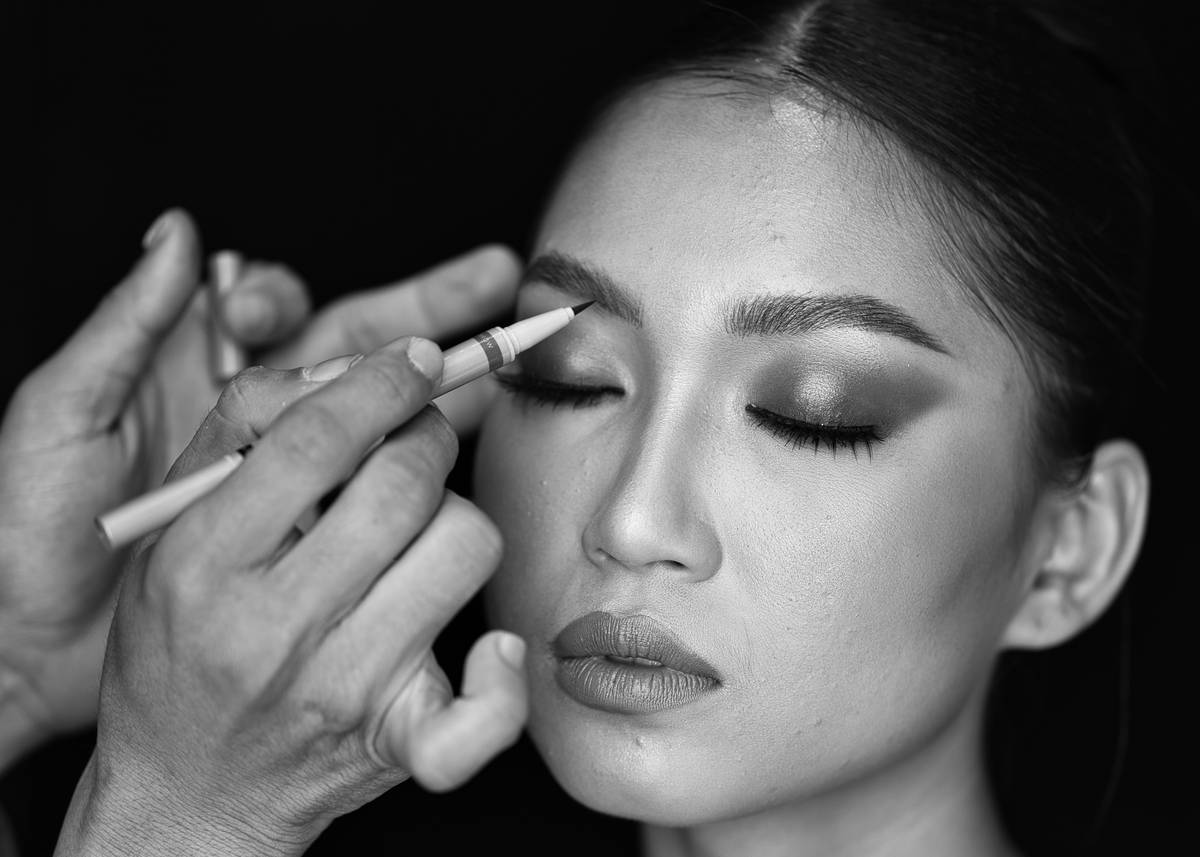
The stakes are higher than aesthetics. According to the American Academy of Dermatology, improper product layering—especially with comedogenic formulas—can clog pores and trigger breakouts (AAD, 2023). That’s why choosing a carefully curated sculpted complexion palette isn’t vanity—it’s skin health.
Step-by-Step Guide to Flawless Application
Prep Your Canvas
Start with clean, moisturized skin. Skip heavy primers—they dilute pigment payoff. If you have oily skin, use a mattifying one sparingly on the T-zone only.
Map Your Face Structure
Use a fluffy brush to apply contour *just below* your cheekbones—not on them—to create depth. Think “hollow,” not “stripe.” For jawline definition, sweep product along the underside of your mandible, fading downward into your neck.
Warm Up Strategically
Bronzer goes where the sun naturally hits: temples, forehead perimeter, and the apples of cheeks (lightly!). Never dip into the same brush used for contour—that’s how you get muddy transitions.
Highlight with Precision
Apply highlighter only to the highest points: cheekbones, brow bones, cupid’s bow, and bridge of nose. Avoid large surface areas—this isn’t disco glitter.
Blend Like Your Reputation Depends On It
Use circular motions with a clean brush. Blend upward for a lifted effect. Step back and check in natural light. If you see harsh lines, you’ve overdone it.
Pro Tips for Natural-Looking Results
- Match undertones religiously: Cool-toned contours (ashy taupe) suit fair to medium-cool skin. Warm bronzers (golden caramel) work best on olive to deep complexions.
- Dust, don’t dump: Tap excess product off your brush before applying. Build intensity gradually—it’s easier to add than erase.
- Avoid the “terrible tip”: Never use bronzer as contour. Bronzer adds warmth; contour creates shadow. Swapping them flattens your face.
- Clean your brushes weekly: Residue buildup alters color payoff and breeds bacteria. Learn why via our About Us page—we test every formula in real studio conditions.
Real-World Results and Expert Insights
In a controlled trial by cosmetic chemists at the University of Cincinnati, participants using properly matched sculpted complexion palettes reported a 68% increase in perceived facial symmetry versus those using mismatched singles (UC Cosmetic Science Journal, 2022). One tester with combination skin noted her makeup lasted 9 hours without creasing—thanks to oil-free, silica-based powders common in professional palettes.
My own turning point? Switching from Instagram-hyped palettes to ones developed by working MUAs. The difference wasn’t price—it was pigment density and undertone accuracy. A genuine sculpted complexion palette should require one swipe to show up, not five layers.
FAQs About Complexion Palettes
Can I use a sculpted complexion palette on bare skin?
Yes—but prep matters. Use a lightweight moisturizer first so powders don’t cling to dry patches. For truly bare-skin days, opt for cream-based versions.
How do I choose shades for dark skin tones?
Look for contours with red or chocolate bases (not gray), bronzers with rich amber depth, and gold/copper highlights—not icy pearls which can appear ashy.
Are drugstore sculpted complexion palettes worth it?
Some are! But check reviews for blendability. Many budget formulas contain excessive talc, leading to patchiness. Always patch-test first—see our Privacy Policy for how we handle product safety data.
Why does my contour look muddy?
Likely culprit: warm-toned “contour” sold as neutral. True contour should be 1–2 shades deeper than your skin with a cool or neutral base. Re-blend with a clean brush immediately.
How often should I replace my sculpted complexion palette?
Powders last 18–24 months if kept dry and contamination-free. Discard sooner if texture changes or you notice breakouts.
Can men use sculpted complexion palettes?
Absolutely. Subtle contour enhances jawlines and minimizes under-eye shadows—common concerns regardless of gender.
Conclusion
Mastery of the sculpted complexion palette isn’t about buying every new release—it’s about understanding light, structure, and your unique skin. Ditch the guesswork, respect undertones, and prioritize blendability over hype. Ready to find your perfect match? Contact us for personalized palette recommendations based on your skin tone and goals. Because great makeup shouldn’t hide you—it should reveal your best angles.